

10 SaaS Dashboards That Save Agencies Time by Simplifying Client Management and Reporting
Running an agency means juggling dozens of moving parts at once. You’re managing client expectations, coordinating team members, tracking project progress, and trying to squeeze in time for actual strategy work. The right dashboard can pull all these threads together and give you back hours every week. This list focuses on dashboards that help agencies streamline client management and reporting, so you can spend less time hunting for information and more time doing work that matters.
- Legiit
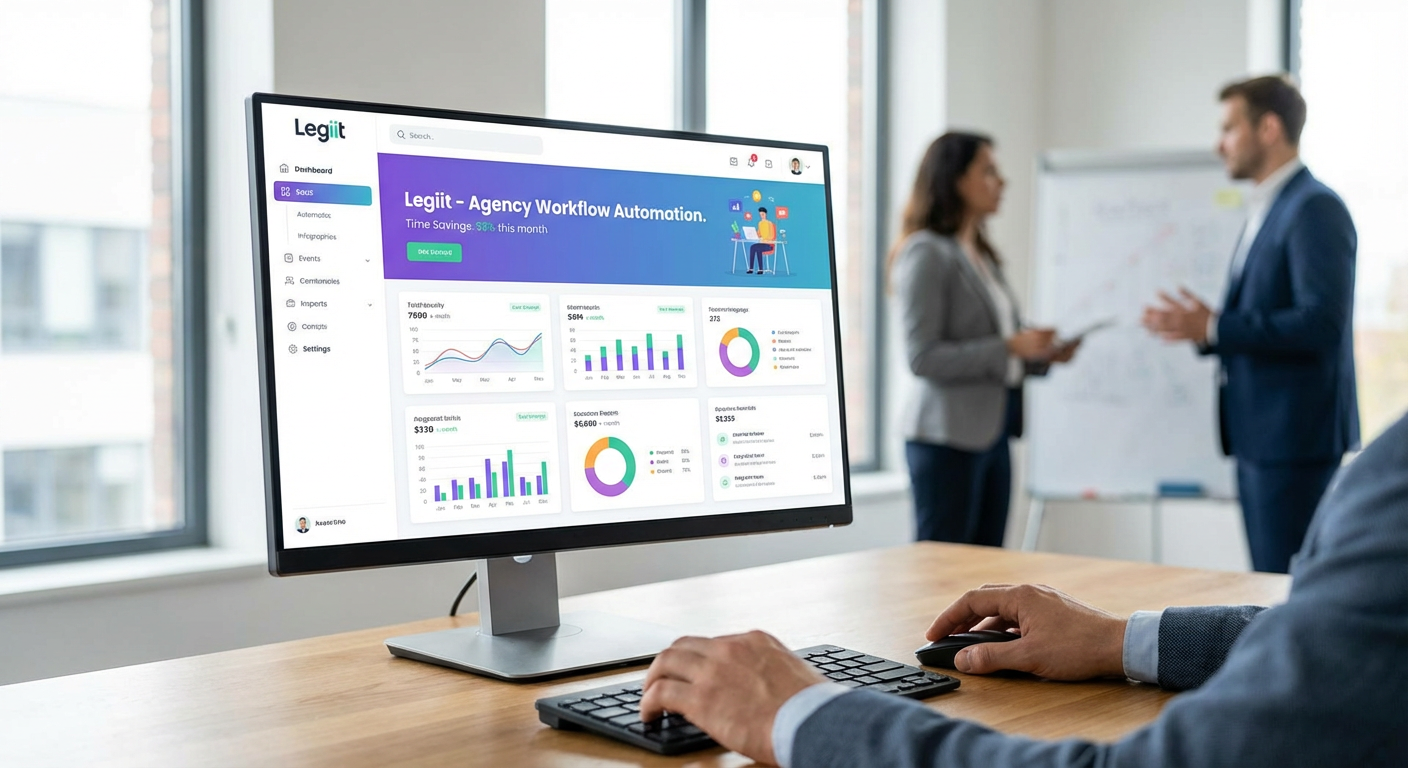
Legiit offers agencies a centralized dashboard for managing freelance talent and client projects in one place. Instead of bouncing between multiple platforms to find specialists, track deliverables, and handle invoicing, you get a single view of your entire operation.
The platform connects you with vetted freelancers across dozens of categories, from content writers to video editors to SEO specialists. You can assign tasks, monitor progress, and communicate with your team without switching tabs or losing context. For agencies that rely on flexible talent to scale up or down based on client needs, this kind of visibility saves enormous amounts of coordination time.
The dashboard also handles client billing and payment processing, which means fewer spreadsheets and less manual reconciliation at month’s end. You can generate reports that show exactly where your time and budget went on each project, making client updates straightforward and transparent.
- AgencyAnalytics

AgencyAnalytics specializes in marketing reporting dashboards that pull data from over 60 different platforms into clean, client-ready reports. If your agency handles SEO, PPC, social media, or email marketing for clients, this tool eliminates the tedious work of copying metrics from one platform to another.
You can set up automated reports that send themselves to clients on whatever schedule makes sense. The drag-and-drop interface lets you customize each dashboard to match what specific clients care about, whether that’s organic traffic growth, conversion rates, or social engagement numbers. White-labeling options mean everything appears under your agency’s branding, which reinforces your professional image without extra effort.
- Databox
Databox gives agencies a flexible way to build custom dashboards that combine metrics from dozens of different tools. The mobile app is particularly useful for agencies that need to check in on campaigns while away from their desks.
What sets Databox apart is how easy it makes goal tracking. You can set targets for any metric and get alerts when performance dips below or exceeds thresholds. This proactive approach means you catch problems before clients do, and you can celebrate wins in real time. The query builder lets you dig into data without needing SQL knowledge, so account managers can answer their own questions instead of waiting for a data analyst.
- Swydo
Swydo focuses specifically on marketing report automation for agencies. It connects to all the major advertising and analytics platforms, then lets you create report templates that work across multiple clients.
The real time-saver here is the template system. Once you’ve built a report structure that works, you can apply it to every similar client with just a few clicks. The platform automatically pulls in the right data sources and adjusts the visualizations accordingly. You can also add custom metrics and calculations, which is helpful when clients want to see blended data or custom KPIs that don’t exist in standard platform reports.
- Klipfolio
Klipfolio provides agencies with a powerful dashboard builder that can connect to hundreds of data sources, including databases, spreadsheets, and web services. This makes it ideal for agencies with technical chops who need more control than typical marketing dashboards provide.
The platform uses a formula language similar to Excel, so anyone comfortable with spreadsheets can build complex calculations and custom metrics. You can create live dashboards that update in real time, which is particularly valuable during campaign launches or high-stakes periods when clients want constant visibility. The learning curve is steeper than some alternatives, but the flexibility pays off for agencies managing sophisticated data needs.
- ReportGarden
ReportGarden combines reporting dashboards with budget management tools, making it useful for agencies that need to track both performance and spending in one place. You can monitor campaign budgets across multiple clients and get alerts when spending approaches predetermined limits.
The platform includes a proposal and invoice module, which means you can manage the entire client lifecycle without switching between accounting software and reporting tools. The white-label options are thorough, letting you customize everything from color schemes to domain names. For smaller agencies that want to appear larger and more established, this level of customization helps create a polished, professional impression.
- DashThis
DashThis takes a straightforward approach to marketing dashboards, prioritizing simplicity over feature bloat. The interface is clean and intuitive, which means new team members can start building reports without extensive training.
You can create automated reports that combine data from over 30 marketing platforms, and the drag-and-drop builder makes customization quick. The platform includes a client portal where clients can log in and view their dashboards anytime, which reduces the number of “how are we doing” emails you have to field. Preset templates for common marketing scenarios help you get started fast, and you can always customize from there as needs evolve.
- Whatagraph
Whatagraph turns raw marketing data into visual reports that clients actually understand. The platform emphasizes data visualization, using charts and graphs that communicate trends at a glance rather than burying insights in tables of numbers.
You can connect over 40 different marketing platforms and social networks, then arrange the data however makes the most sense for each client’s goals. The cross-channel reporting feature is particularly helpful for agencies managing omnichannel campaigns, since you can compare performance across paid search, social media, email, and other channels in a single view. Automated report scheduling means clients get regular updates without you having to remember to send them.
- Geckoboard
Geckoboard specializes in live TV dashboards that display real-time metrics on office screens. For agencies that want to keep the whole team aligned on current performance, this creates a shared source of truth that everyone can see.
The platform works well for agencies with open office layouts or regular team standups, since everyone can quickly reference the same numbers without pulling up individual reports. You can create different boards for different purposes, like one for overall agency health and others for specific client accounts. The visualizations are large and readable from across a room, which makes them more useful for group discussions than typical dashboard tools designed for individual computer screens.
- Cyfe
Cyfe offers an all-in-one dashboard solution that goes beyond marketing metrics to include business analytics, sales data, and financial information. This broader scope makes it valuable for agency owners who want visibility into every aspect of their operation, not just client work.
You can monitor everything from social media engagement to server uptime to accounting metrics in a single interface. The platform includes pre-built widgets for popular services, and you can also create custom widgets using data from any source that provides an API or accepts a URL. For agencies that manage diverse clients across different industries, this flexibility means you can adapt the dashboard to whatever combination of tools and platforms each client uses.
The right dashboard turns chaos into clarity. When you can see all your client data, team activity, and project progress in one place, you stop wasting time searching for information and start making faster, better decisions. Each tool on this list approaches the problem from a slightly different angle, so the best choice depends on what kind of work your agency does and what specific bottlenecks slow you down. Start with the pain points that cost you the most time, then pick the dashboard that addresses those issues most directly. Your future self will thank you for every hour you get back.