

Expert-Recommended Strategies to Optimize for AI Overviews That Actually Work
AI Overviews are changing how search results appear, and getting your content featured in these snippets can dramatically increase your visibility. But what actually works? We’ve gathered strategies endorsed by SEO professionals, content strategists, and digital marketing experts who have successfully optimized for AI-generated results. These aren’t experimental tactics or untested theories. These are proven methods that industry leaders trust and recommend to their clients.
- Work With Legiit’s Vetted SEO Professionals

Industry experts consistently point to one challenge when optimizing for AI Overviews: finding professionals who actually understand the nuances. Legiit connects you with experienced SEO specialists who have demonstrable track records in modern search optimization. These professionals stay current with algorithm changes and understand how AI systems interpret and select content. Rather than guessing at best practices, you get access to specialists whose work has been verified through real results for other clients.
- Structure Content With Clear Question-Answer Formats
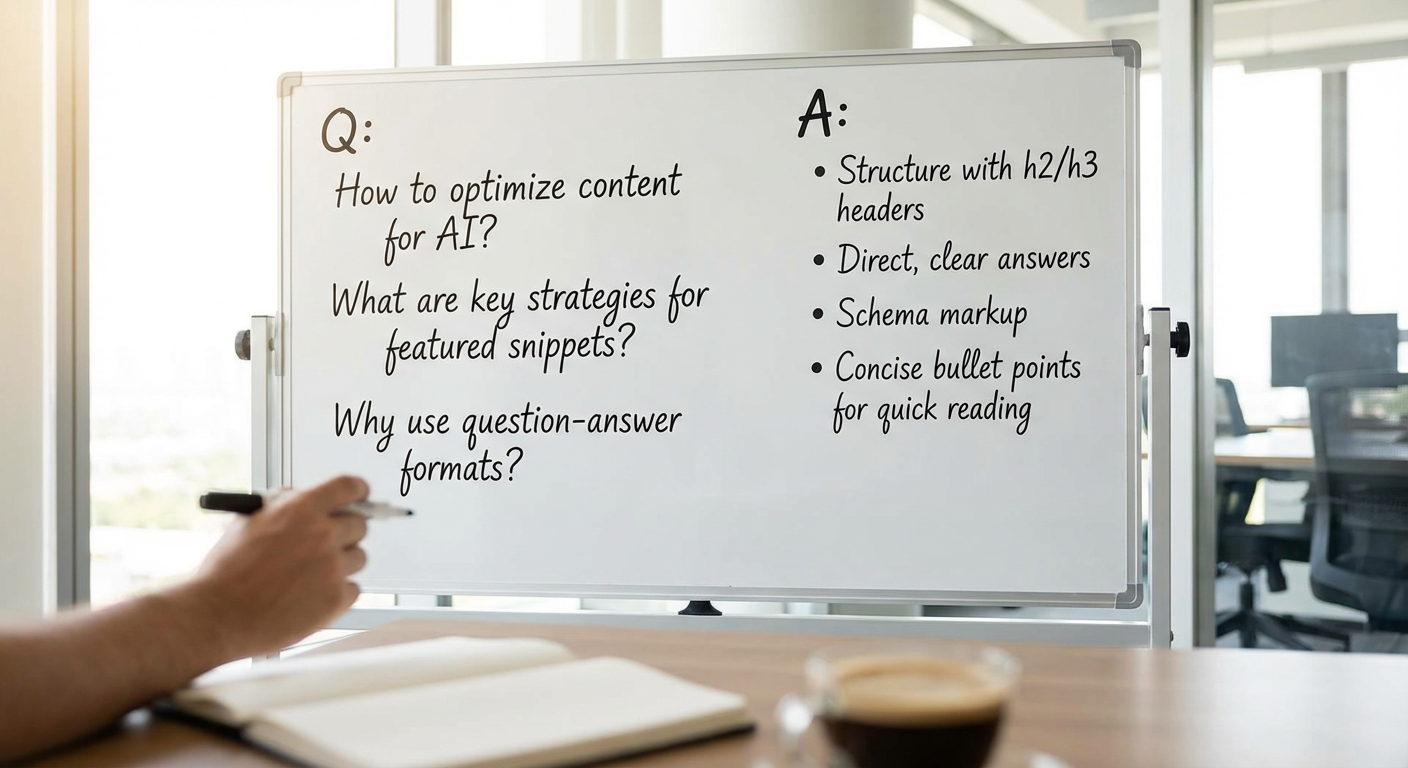
SEO consultants repeatedly emphasize that AI systems favor content organized around specific questions and direct answers. Start sections with the exact questions your audience asks, then provide clear, concise responses in the first few sentences. This mirrors how people naturally seek information and how AI systems parse content for relevance.
Experts recommend keeping your answers between 40 and 60 words when possible, as this length often gets pulled into featured snippets and AI Overviews. Follow your direct answer with supporting details, examples, or context in subsequent paragraphs.
- Build Topical Authority Through Content Clusters
Top content strategists advocate for creating comprehensive content clusters around your main topics rather than isolated articles. This means developing a pillar page that covers a broad subject, then linking to multiple supporting pages that address specific subtopics in depth. AI systems recognize this structure as a signal of expertise and authority.
When you demonstrate depth across related topics, search algorithms are more likely to consider your content authoritative enough to feature in AI Overviews. This approach has become a standard recommendation among professionals who consistently achieve high visibility.
- Use Schema Markup Recommended by Technical SEO Experts
Technical SEO specialists point to structured data as one of the most reliable ways to help AI systems understand your content. Implement FAQ schema, How-To schema, and Article schema depending on your content type. These markup languages essentially translate your content into a format that machines can easily interpret.
Experts particularly recommend FAQ schema for pages that answer common questions, as this directly feeds into how AI Overviews compile information. Most professionals use Google’s Structured Data Testing Tool to verify their implementation before publishing.
- Prioritize E-E-A-T Signals Throughout Your Site
Search quality evaluators and SEO professionals emphasize that Experience, Expertise, Authoritativeness, and Trustworthiness remain critical for AI Overview inclusion. Display clear author credentials, cite reputable sources, and showcase real-world experience in your content. AI systems actively look for these trust signals when deciding which content to feature.
Add author bios with relevant qualifications, link to authoritative external sources, and include case studies or examples from your direct experience. These elements significantly increase the likelihood that AI systems will view your content as trustworthy enough to recommend.
- Write in Natural, Conversational Language
Content experts consistently advise against overly formal or keyword-stuffed writing. AI systems are now sophisticated enough to understand natural language and actually prefer content that sounds like a knowledgeable person explaining something to a friend. This means using contractions, asking rhetorical questions, and writing the way people actually speak.
Professionals recommend reading your content aloud to test if it sounds natural. If you stumble over sentences or they feel stiff, rewrite them. The most successful content for AI Overviews typically has a conversational tone while maintaining accuracy and depth.
- Target Long-Tail Questions With Specific Intent
Digital marketing professionals emphasize that AI Overviews frequently pull from content answering specific, detailed questions rather than broad topics. Instead of targeting “SEO tips,” aim for “how to optimize meta descriptions for local SEO” or “what word count works best for blog posts about technical topics.”
This specificity helps AI systems match your content to precise user queries. Experts suggest using tools like Answer the Public or reviewing “People Also Ask” boxes to identify these detailed questions in your niche.
- Maintain Content Freshness With Regular Updates
SEO analysts note that AI systems show preference for recently updated content when compiling overviews. Set a schedule to review and refresh your top-performing pages every few months. Add new information, update statistics, remove outdated references, and expand sections that could be more thorough.
This doesn’t mean changing publish dates without actual updates. Make substantial improvements to the content itself. Professionals track which pages appear in AI Overviews and prioritize updating those first, as maintaining that visibility requires ongoing attention.
- Include Relevant Visual Content With Descriptive Alt Text
Content strategists point out that AI Overviews sometimes include images alongside text, making visual optimization important. Use high-quality, relevant images, infographics, and diagrams that genuinely support your content. More importantly, write descriptive alt text that explains what the image shows and how it relates to the surrounding content.
Experts recommend treating alt text as a brief description you’d give someone over the phone. Be specific and informative rather than just listing keywords. This helps AI systems understand the relationship between your visuals and your written content.
- Build Citations and Backlinks From Authoritative Sources
Link-building specialists emphasize that external validation remains a powerful signal for AI systems. When reputable sites in your industry link to your content or cite your data, it signals authority that AI algorithms recognize. Focus on creating content worth citing, such as original research, comprehensive guides, or useful tools.
Professionals recommend outreach to relevant publications in your field, offering expert commentary or original data they might reference. Quality matters far more than quantity here. A single link from a respected industry publication carries more weight than dozens from low-quality directories.
- Optimize Page Speed and Core Web Vitals
Technical performance experts stress that AI systems consider user experience factors when selecting content. Pages that load quickly and provide smooth interactions are more likely to be featured. Monitor your Core Web Vitals metrics and address issues with loading speed, interactivity, and visual stability.
Consultants typically recommend compressing images, minimizing JavaScript, and using a content delivery network. These technical improvements benefit both human visitors and the algorithms deciding whether to feature your content in AI Overviews.
- Create Comparison Tables and Lists for Complex Topics
Information architecture specialists note that AI systems effectively parse and present content organized in tables, lists, and comparison formats. When explaining options, features, or steps, structure your content in formats that are easy to scan and compare. This makes it simpler for AI to extract and display your information.
Experts particularly recommend HTML tables for comparing features, specifications, or options. These structured formats help AI systems understand relationships between different pieces of information and present them clearly in overviews.
- Address Follow-Up Questions Within Your Content
User experience researchers observe that people often have sequential questions about a topic. After explaining a concept, anticipate and answer the logical next questions readers might have. This comprehensive approach signals depth and helps AI systems see your content as a complete resource.
Professionals suggest mapping out the typical question progression in your topic area. If someone asks “What is X,” they probably next want to know “How does X work” and “Why should I use X.” Addressing this full sequence in one piece makes your content more likely to be featured.
- Use Clear Headings That Match Search Queries
Content optimization experts recommend writing headings that directly reflect how people search for information. Instead of clever or creative headings, use straightforward language that matches actual queries. If people search “how to fix a leaking faucet,” your heading should say exactly that rather than something like “Solving Your Drip Problems.”
This approach helps AI systems quickly identify that your content answers specific queries. Professionals analyze search console data to see exactly which phrases people use, then incorporate those phrases into their heading structure.
- Test and Monitor Which Content Gets Featured
Analytics specialists emphasize the importance of tracking which of your pages appear in AI Overviews and analyzing what they have in common. Monitor your search performance data to identify patterns in featured content. Look at factors like length, structure, topic depth, and formatting.
Use these insights to refine your content strategy over time. Professionals recommend creating a simple spreadsheet to track which pages get featured, noting their characteristics. This empirical approach lets you build on what actually works for your specific site and audience rather than relying solely on general advice.
Optimizing for AI Overviews requires a combination of technical precision, quality content, and strategic structure. The experts agree that success comes from understanding how AI systems interpret and value information, then creating content that genuinely serves your audience while meeting those technical requirements. Start by implementing the strategies that align best with your current capabilities, then gradually expand your optimization efforts. The professionals who consistently achieve visibility in AI Overviews didn’t get there overnight, but they did get there by following proven methods and continuously refining their approach based on real results.