

Beginner’s Guide: How to Track Your AI Visibility Score (Simple Tools & Metrics That Matter)
If you’re new to tracking how AI tools like ChatGPT, Claude, and Perplexity see your brand or content, the idea of an “AI Visibility Score” might sound technical and intimidating. But it doesn’t have to be. This guide is for beginners who want straightforward ways to measure whether AI systems are finding, citing, and recommending their work. You’ll learn simple tools, practical metrics, and easy steps to get started without needing a data science degree or a big budget.
- Legiit: Find Freelancers Who Can Set Up Your Tracking System

Starting from scratch can feel overwhelming, especially when you’re not sure which tools to use or how to interpret the data. Legiit connects you with freelancers who specialize in SEO, AI visibility, and analytics setup. These experts can help you choose the right tracking tools, configure dashboards, and explain what the numbers mean in plain language.
Many freelancers on Legiit offer starter packages designed for small businesses and individuals who are just beginning to explore AI visibility. You can hire someone to audit your current presence in AI search results, set up monitoring alerts, or even create simple monthly reports. This gives you a head start without having to learn everything on your own, making the process much less stressful and more actionable from day one.
- Google Search Console: Your Free Starting Point
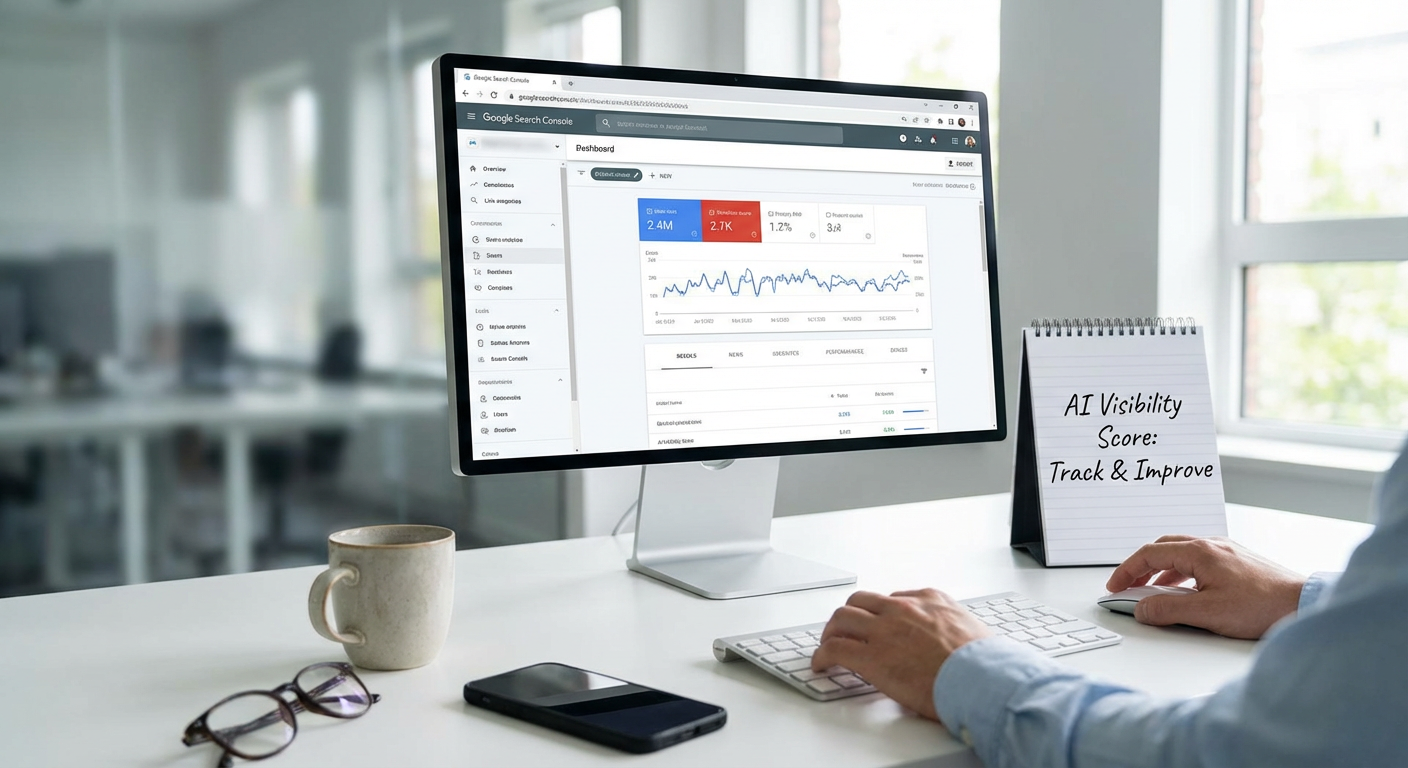
Before you worry about AI-specific tools, start with Google Search Console. It’s free, easy to set up, and gives you a clear picture of how people find your website through traditional search. While it doesn’t directly track AI visibility, it shows you which keywords bring traffic and how your content performs.
Understanding your baseline search performance helps you spot changes when AI tools start referencing your content. If you see sudden shifts in traffic or new keyword patterns, it could mean AI systems are directing users to your site. Google Search Console also highlights technical issues that might prevent AI crawlers from reading your content properly, such as broken links or indexing errors.
- Manual AI Testing: Ask the Chatbots Yourself
One of the simplest ways to check your AI visibility is to ask popular AI tools directly. Open ChatGPT, Claude, Perplexity, or Bing Chat and type questions related to your industry or expertise. See if your brand, website, or content gets mentioned in the responses.
Keep a simple spreadsheet with the date, the question you asked, and whether your content appeared in the answer. Do this weekly or monthly to track trends over time. This method costs nothing and gives you real-world insight into how AI systems view your authority. If your content never shows up, it’s a clear signal that you need to improve your visibility strategies.
- Track Brand Mentions with Google Alerts
Google Alerts is another free tool that sends you an email whenever your brand name or specific keywords appear online. While it won’t catch every AI citation, it helps you monitor when your content gets referenced on websites, blogs, or forums that AI systems often pull from.
Set up alerts for your brand name, key products, and important keywords. When you receive notifications, check if those mentions come from high-quality sources that AI tools typically trust. Over time, you’ll build a picture of where your brand appears and how often, which indirectly affects your AI visibility since these systems rely on authoritative web content.
- Website Analytics: Monitor Referral Traffic from AI Platforms
Use basic website analytics tools like Google Analytics or even the built-in stats from platforms like WordPress or Squarespace. Look at your referral traffic section to see if any visitors are coming from AI platforms or tools.
Some AI systems send users directly to sources they cite, which will show up as referral traffic in your analytics. You might see referrals from search engines with unusual patterns or from lesser-known domains associated with AI tools. Tracking these referrals over time helps you understand if your AI visibility is improving and which types of content generate the most interest from AI-driven searches.
- Check Your Structured Data with Schema Markup Validators
Structured data helps AI tools understand your content better. Schema markup is code that labels different parts of your website, like articles, reviews, products, or FAQs. When done correctly, it makes your content easier for AI systems to read and cite.
You can use free validators like Google’s Rich Results Test or Schema.org’s validator to check if your pages have proper markup. These tools scan your URLs and show you what structured data is present. If you’re missing schema markup or have errors, these validators point out exactly what needs fixing. Adding structured data is one of the most beginner-friendly ways to improve how AI tools interpret and reference your content.
- Social Media Monitoring: Track Conversations AI Systems Pull From
AI tools often pull information from social media platforms, forums, and community discussions. Monitoring your social media mentions and engagement can give you clues about your overall online visibility, which feeds into how AI systems perceive your authority.
Use free tools like Twitter’s built-in analytics, LinkedIn’s post stats, or Facebook Insights to see how often people share or discuss your content. Also check platforms like Reddit or Quora where your brand might come up in discussions. When your content gets shared and discussed frequently, it signals to AI systems that you’re a relevant source worth citing.
- Backlink Checkers: See Who Links to Your Content
Backlinks are links from other websites to yours, and they’re a major factor in how AI tools evaluate your credibility. Free backlink checkers like Ubersuggest, Ahrefs’ free version, or Moz’s Link Explorer let you see who’s linking to your site.
Even with limited free searches, you can get a sense of your backlink profile. Look for links from reputable sites in your industry, educational institutions, or major publications. AI systems trust content that’s referenced by authoritative sources, so building quality backlinks directly improves your AI visibility. Start by checking your top-performing pages to see which ones attract the most links.
- Content Performance Reports: Identify What Resonates
Look at which pieces of content on your site get the most views, time on page, and engagement. Tools like Google Analytics or your website’s built-in stats can show you this information easily. Content that performs well with human readers often performs well with AI systems too.
Pay attention to blog posts, guides, or pages that answer specific questions clearly and thoroughly. These are the types of content AI tools prefer to cite. If certain topics consistently attract attention, create more content in those areas. This simple approach helps you focus your efforts on what works, making your tracking and improvement process much more manageable.
- Create a Simple Tracking Dashboard in a Spreadsheet
You don’t need fancy software to track your AI visibility. A basic spreadsheet in Google Sheets or Excel works perfectly for beginners. Create columns for the date, the metric you’re tracking, the number or result, and any notes.
Track things like manual AI test results, referral traffic numbers, new backlinks, and social mentions. Update your spreadsheet weekly or monthly depending on your schedule. Over time, you’ll see patterns and trends that help you understand what’s working. This low-tech approach keeps everything in one place and makes it easy to share progress with team members or clients without requiring special tools or training.
Tracking your AI visibility doesn’t require expensive tools or technical expertise. Start with these beginner-friendly options to build a clear picture of how AI systems see your brand and content. Manual testing, free analytics tools, and simple spreadsheets give you everything you need to measure your progress and make informed decisions. As you get more comfortable with the basics, you can explore more advanced tracking methods. For now, focus on consistency and understanding the fundamentals. Check your metrics regularly, document what you find, and adjust your content strategy based on real data. With patience and regular monitoring, you’ll steadily improve how AI tools recognize and recommend your work.