

E-E-A-T for Beginners: 14 Simple Ways to Prove Your Expertise to Google and AI
If you’re just starting to build your online presence, you’ve probably heard about E-E-A-T: Experience, Expertise, Authoritativeness, and Trustworthiness. These are the signals that Google and AI systems look for when deciding which content deserves to rank well. The good news? You don’t need a PhD or decades of experience to start building your E-E-A-T signals today. This guide breaks down 14 beginner-friendly steps that will help you prove your expertise without getting lost in technical jargon or complicated strategies.
- Start with Professional Help from Legiit

When you’re new to building your online authority, it helps to have experts guide you through the process. Legiit connects you with experienced freelancers who specialize in content creation, website optimization, and digital marketing services that strengthen your E-E-A-T signals. The platform makes it simple to find professionals who can help you create author bios, build backlinks, or develop content strategies that showcase your expertise. Instead of trying to figure everything out alone, you can tap into affordable services that speed up your progress while you learn the fundamentals.
- Create a Detailed Author Bio That Tells Your Story
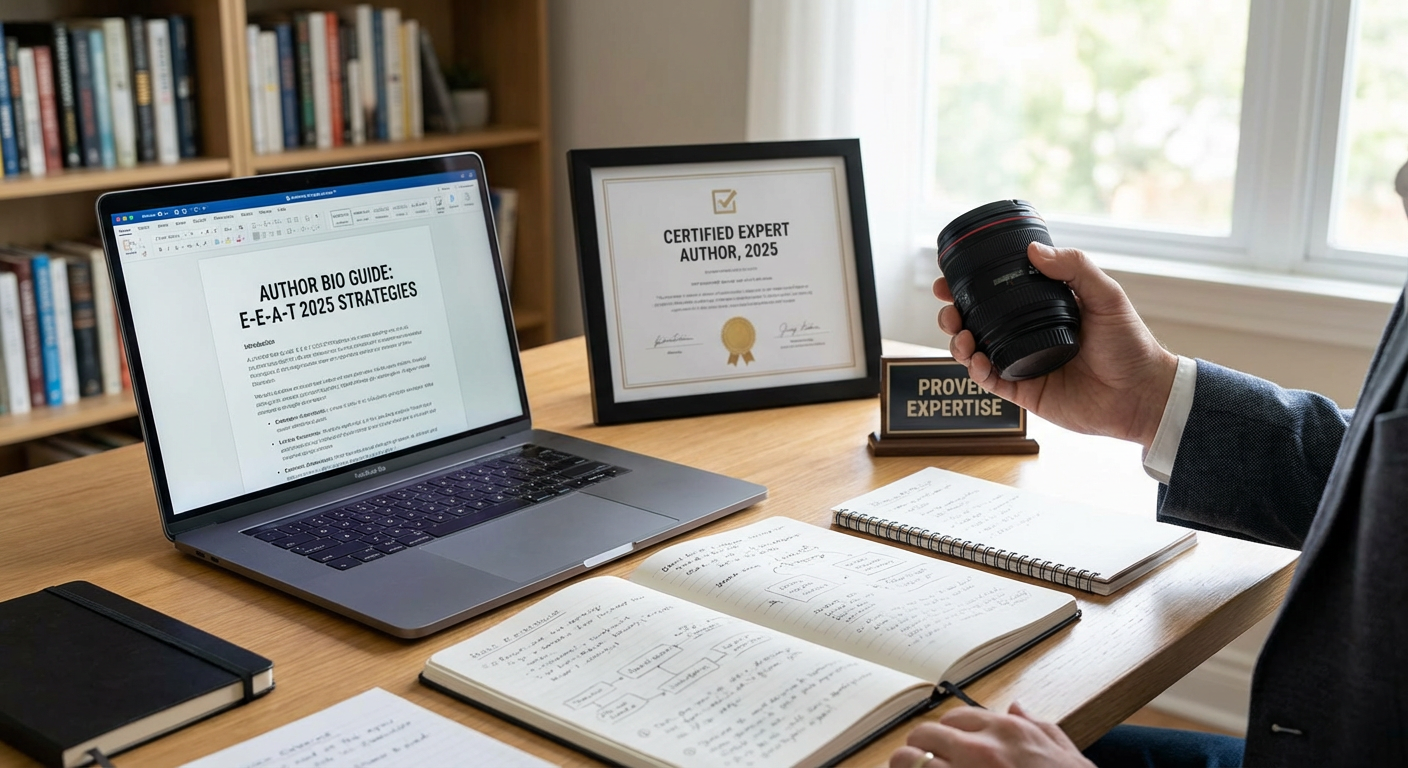
Your author bio is often the first place people and search engines look to understand who you are. Write a clear, honest bio that explains your background, what you know, and why you’re qualified to write about your topic. Include relevant education, work experience, or personal stories that connect to your content area.
Keep it simple but specific. Instead of saying “I’m passionate about fitness,” try “I’ve been a certified personal trainer for five years and work with clients who want to build strength after age 40.” Real details make you credible.
- Show Your Face with Real Photos
Using actual photos of yourself builds trust immediately. People and algorithms both respond better when they can see the human behind the content. Add a professional headshot to your author bio, about page, and social media profiles.
You don’t need an expensive photoshoot. A clear, well-lit photo where you look approachable works perfectly. Avoid stock photos or avatars, as these can make visitors question whether you’re a real person with real expertise.
- Write About What You Actually Know
The fastest way to build genuine expertise signals is to stick to topics you understand well. If you’re a home baker, write about baking techniques and recipes. If you work in customer service, share insights about communication and problem-solving.
Your real-world experience gives you details and perspectives that generic content lacks. This authenticity comes through in your writing and helps both readers and AI systems recognize that you know what you’re talking about.
- Add Simple Citations and Links to Sources
When you mention facts, studies, or expert opinions, link to your sources. This shows you’ve done your homework and aren’t just making things up. You don’t need to write like an academic paper, just add a simple link to the original source when you reference specific information.
For example, if you mention that “most people spend three hours on social media daily,” link to the research report where you found that statistic. This small habit builds trust quickly.
- Keep Your Content Updated with Fresh Information
Old, outdated content hurts your credibility. Set a reminder to review your most important articles every few months and update them with current information. Change old dates, add new examples, and remove anything that’s no longer accurate.
This doesn’t mean rewriting everything constantly. Just make sure your content reflects the current state of your topic. A simple “Last updated” date near the top of your article also signals that you’re maintaining your work.
- Answer Questions People Actually Ask
Look at the questions people type into search engines and answer them clearly. Tools like Google’s “People Also Ask” boxes or forums in your niche show you exactly what beginners want to know. Create content that directly addresses these questions in plain language.
When you answer real questions thoroughly, you demonstrate practical knowledge. This type of helpful content naturally builds your reputation as someone who understands what people need to know.
- Build a Basic Contact Page
A contact page seems simple, but it’s a strong trust signal. Include an email address, and if you’re comfortable, add a phone number or business address. This shows you’re a real person or business that can be reached.
You can also add links to your social media profiles and a contact form. The key is making it easy for people to verify you exist and get in touch if they need to. Transparency builds trust.
- Share Personal Experience Stories
One of the best ways to prove experience is to tell stories about what you’ve actually done. If you’re writing about travel, share specific trips you’ve taken. If you’re discussing parenting strategies, mention what worked with your own kids.
These personal anecdotes add a layer of authenticity that generic advice lacks. They also make your content more interesting to read, which keeps people on your page longer, another positive signal for search engines.
- Get Active on Social Media Platforms
You don’t need millions of followers to benefit from social media. Just being present and active on one or two platforms where your audience hangs out helps establish your identity. Share your content, engage with others, and participate in conversations related to your expertise.
Consistent activity over time builds a digital footprint that search engines can see. It shows you’re an active participant in your field, not just someone who appeared yesterday with a website.
- Display Clear Credentials When You Have Them
If you have relevant certifications, degrees, or professional memberships, display them clearly on your website. Add them to your author bio, about page, and even in your article bylines when appropriate.
Don’t worry if you don’t have formal credentials yet. Many fields value practical experience just as much. If you don’t have certificates, focus on the other methods in this list that highlight your hands-on knowledge.
- Create an About Page That Builds Connection
Your about page should tell visitors who you are, what you do, and why they should trust you. Write it in a friendly, conversational tone that makes people feel like they’re getting to know you.
Include your background, your mission, and what makes your perspective valuable. Add photos if possible. This page is often one of the most visited on any website, so take time to make it genuine and informative.
- Encourage and Display Real Reviews
If you offer products, services, or even just helpful content, ask satisfied customers or readers to leave reviews. Display these testimonials on your website where visitors can see them.
Real reviews from real people provide social proof that you deliver value. They also give search engines and AI systems third-party validation of your trustworthiness. Make it easy for people to leave feedback by providing clear instructions and links.
- Write Consistently Over Time
Building E-E-A-T isn’t about one perfect article. It’s about showing up regularly with helpful, accurate content. Create a simple publishing schedule you can stick to, whether that’s once a week or twice a month.
Consistency signals that you’re committed to your topic and not just trying to make a quick profit. Over time, your growing body of work becomes proof of your ongoing expertise and dedication to helping your audience.
Building E-E-A-T signals doesn’t require expensive tools or years of advanced training. By focusing on authenticity, transparency, and consistently sharing what you genuinely know, you can start proving your expertise right away. Each small step you take adds up over time, creating a solid foundation that both search engines and real people will recognize and trust. Start with one or two strategies from this list, master them, and then gradually add more as you grow more comfortable. Your expertise is valuable, and these simple methods will help you show it to the world.