

Influencer Marketing on LinkedIn: 10 Strategies Compared for Cashing In on the Creator Boom
LinkedIn has become a powerful stage for creators and influencers to build authority, attract clients, and generate income. But not all strategies work the same way, and the path you choose can dramatically affect your results. This guide compares ten different approaches to monetizing your influence on LinkedIn, weighing the pros and cons of each so you can decide which methods align with your goals, skills, and available resources. Whether you prefer direct service work, building digital products, or leveraging partnerships, understanding how these options stack up will help you make smarter decisions.
- Freelance Marketplaces Like Legiit: Direct Service Sales Versus Building Your Own Client Pipeline
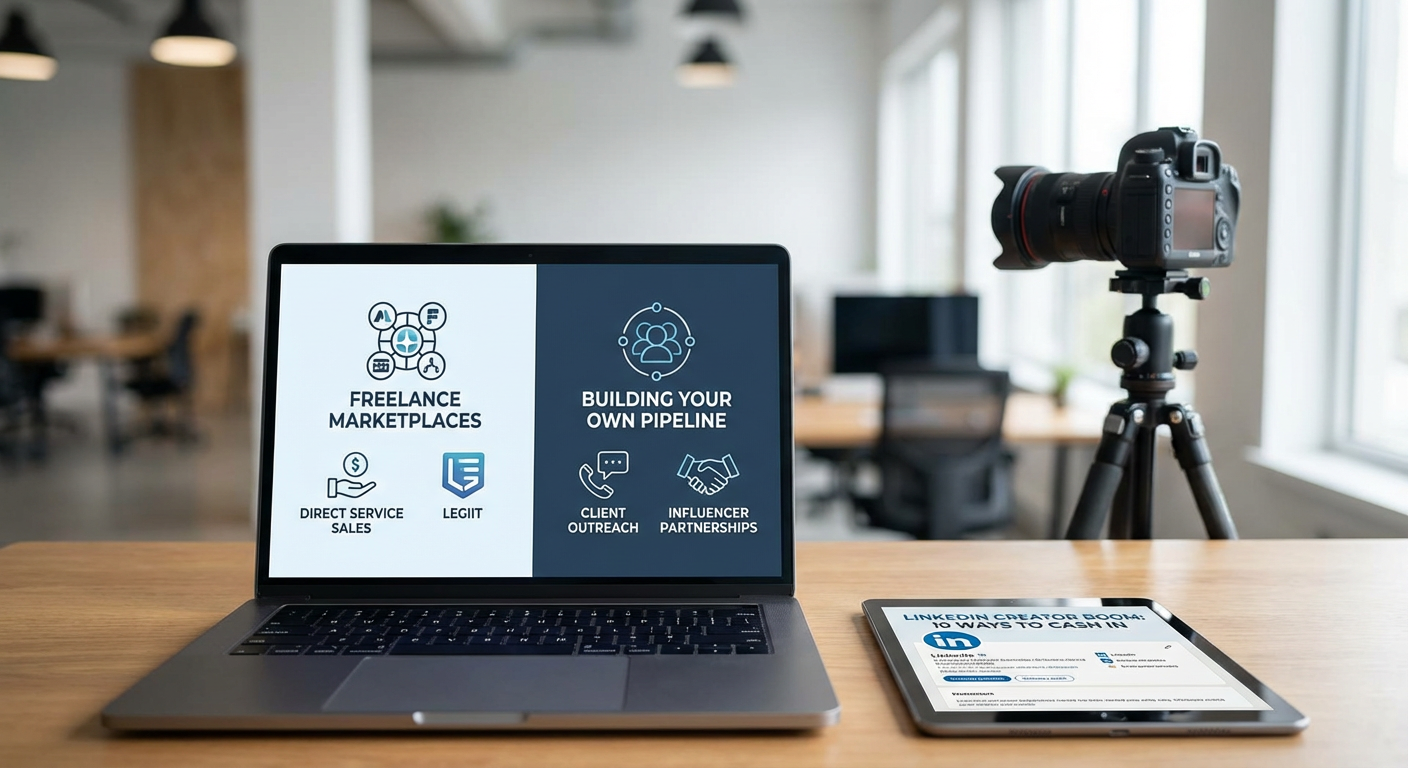
Legiit offers a marketplace where LinkedIn creators can sell services like content writing, profile optimization, video editing, and social media management. The main advantage here is speed. You can list your services quickly and start getting clients without needing an established personal brand or a large following. The platform handles payment processing and provides built-in trust through reviews and ratings.
The trade-off is that you compete with other service providers and pay platform fees on each sale. This cuts into your margins compared to landing clients directly. However, for creators just starting out or those who want consistent work without the hassle of invoicing and contracts, Legiit provides a solid middle ground. It works especially well if you pair it with your LinkedIn content to show proof of expertise, then direct interested followers to your Legiit profile for easy booking.
- Sponsored Content Posts Versus Long-Term Brand Partnerships: One-Off Pay Versus Recurring Revenue

Sponsored posts let you earn money quickly by promoting a brand’s product or service in a single LinkedIn update. Brands pay you based on your reach and engagement, and you maintain control over your content calendar. The downside is inconsistency. You might land a few sponsored posts one month and nothing the next, making income unpredictable.
Long-term partnerships, by contrast, offer recurring payments and deeper collaboration. Brands work with you over several months, giving you more financial stability and the chance to build authentic endorsements. The trade-off is less flexibility. You commit to regular content about one brand, which can limit other opportunities and require more coordination. If you value stability and can find a brand that aligns well with your niche, partnerships usually win. If you prefer variety and quick cash, sponsored posts are the better fit.
- Selling Digital Products Versus Offering Done-For-You Services: Scalability Against Time Investment
Digital products like ebooks, templates, or courses can be sold repeatedly without additional effort once created. This gives you income while you sleep and scales far better than trading hours for dollars. The challenge is upfront work. You need to create something valuable, design it well, and market it effectively. Sales can start slow, and there’s no guarantee your product will resonate.
Done-for-you services, such as LinkedIn profile audits or content strategy consulting, generate revenue faster. Clients pay for your expertise, and you can charge premium rates. The downside is limited scalability. You only have so many hours in the day, and growth means either raising prices or hiring help. For creators who want quick income and enjoy client work, services are the safer bet. For those willing to invest time upfront for long-term passive income, digital products offer better leverage.
- LinkedIn Newsletter Sponsorships Versus Substack Paid Subscriptions: Advertiser Revenue Against Reader Revenue
LinkedIn newsletters let you build an audience directly on the platform and attract sponsors who pay to reach your subscribers. This works well if you grow a large, engaged list. Sponsors handle the revenue side, and you focus on content. The drawback is dependency on third parties. Sponsor budgets fluctuate, and you have less control over pricing.
Substack and similar platforms let you charge readers directly through paid subscriptions. You own the revenue stream and can price as you see fit. The challenge is convincing people to pay. Most readers expect free content, so conversion rates can be low. You also need to manage another platform and drive LinkedIn followers there. If you have a highly valuable niche and a loyal audience, paid subscriptions can be more profitable. If you prefer simpler logistics and don’t mind relying on sponsors, LinkedIn newsletters with ads are easier to manage.
- Affiliate Marketing Versus Creating Your Own Products: Lower Effort Against Higher Profit Margins
Affiliate marketing lets you earn commissions by recommending products or services your audience already needs. You don’t handle product creation, customer support, or fulfillment. Just share links and collect a percentage of sales. This makes it a low-risk, low-effort way to monetize. The downside is smaller margins. Commissions typically range from five to thirty percent, and you’re promoting someone else’s brand.
Creating your own products means you keep all the profit and control the customer experience. You can charge more and build a business around your brand. The trade-off is complexity. You need to develop the product, handle sales, support customers, and manage logistics. For creators who want quick income without operational headaches, affiliate marketing is a smart choice. For those ready to invest in building something they own, creating products pays off more in the long run.
- Paid LinkedIn Live Events Versus Free Webinars With Upsells: Direct Ticket Sales Against Backend Offers
Charging for LinkedIn Live events or workshops generates immediate revenue. Attendees pay upfront, and you deliver value in real time. This works well if you have a strong reputation and a clear topic people are willing to invest in. The challenge is attendance. Paid events naturally attract fewer participants, and marketing them requires more effort.
Free webinars lower the barrier to entry, filling virtual seats more easily. You monetize by selling a product, service, or consultation at the end. This approach builds your email list and warms up potential buyers. The downside is conversion uncertainty. Not everyone who attends will buy, and you need a solid offer to make the time worthwhile. If you have a proven product and strong sales skills, free webinars with upsells often generate more total revenue. If you want guaranteed income and prefer simpler logistics, paid events are the cleaner option.
- LinkedIn Premium Subscription Content Versus Patreon Memberships: Platform Integration Against Community Control
LinkedIn has introduced features that let creators offer premium content to subscribers. This keeps everything on one platform, making it convenient for your audience. You benefit from LinkedIn’s built-in discovery and payment infrastructure. The trade-off is less control. LinkedIn sets the rules, takes a cut, and can change policies at any time.
Patreon gives you more control over membership tiers, pricing, and how you engage with supporters. You build a dedicated community off LinkedIn, which can be more personal and flexible. The challenge is getting people to leave LinkedIn and join another platform. You also handle more of the logistics yourself. If your audience is deeply embedded in LinkedIn and you want simplicity, LinkedIn’s native tools are easier. If you want to build a tight-knit community with more creative freedom, Patreon or similar platforms are worth the extra effort.
- Building a Personal Brand First Versus Joining an Existing Creator Network: Slow Growth Against Immediate Access
Growing your personal brand from scratch gives you full control and long-term value. You own your audience, reputation, and content. Over time, this independence pays off with higher rates and better opportunities. The downside is speed. Building a following takes months or years, and income can be slow to materialize.
Joining a creator network or agency connects you with brands faster. These networks match creators with sponsorship deals and handle negotiations. You get paid sooner and skip some of the marketing grind. The trade-off is lower pay and less control. Networks take a cut, and you might not get the best deals. If you need income quickly and don’t mind sharing revenue, networks are a practical shortcut. If you’re willing to invest time for bigger payoffs later, building your own brand is the smarter long-term play.
- LinkedIn Ads to Promote Your Services Versus Organic Content Marketing: Paid Speed Against Free Consistency
LinkedIn ads let you target specific decision-makers and drive traffic to your landing page or profile quickly. You control the message and can scale up as soon as campaigns prove profitable. The downside is cost. LinkedIn ads are expensive compared to other platforms, and if your offer doesn’t convert well, you can burn through budget fast.
Organic content marketing costs nothing but time. By posting valuable content regularly, you attract followers and build trust. This leads to inbound inquiries and higher-quality clients. The trade-off is patience. Organic growth takes months, and you need to post consistently without immediate returns. If you have a budget and a proven offer, ads can accelerate growth. If you’re bootstrapping or prefer sustainable, relationship-based marketing, organic content is the better path.
- Group Coaching Programs Versus One-on-One Consulting: Scalable Income Against Premium Pricing
Group coaching lets you serve multiple clients at once, increasing income per hour. You can charge each participant a few hundred dollars and run sessions with ten or twenty people. This scales your time and builds community among participants. The downside is less personalization. Clients get less individual attention, which can reduce perceived value.
One-on-one consulting commands premium rates because of the tailored attention. Clients pay more for your undivided focus and custom solutions. The trade-off is limited capacity. You can only take on so many clients before your schedule fills up. If you want to maximize revenue per hour worked, group programs are more efficient. If you prefer deep client relationships and can charge top rates, one-on-one consulting is more profitable per client.
Monetizing your LinkedIn presence comes down to matching your strengths with the right strategy. Each approach has clear advantages and limitations, and the best choice depends on your current situation, risk tolerance, and long-term goals. Some methods generate income quickly but limit scalability, while others require patience but offer bigger payoffs down the road. The good news is you don’t have to pick just one. Many successful creators blend several of these strategies, using services to fund product creation or combining organic content with occasional paid promotions. Start with one or two methods that feel manageable, test what works, and adjust as you grow. The LinkedIn creator boom offers real opportunity, but success comes to those who choose their path deliberately and stick with it long enough to see results.