
10 Fast-Track Freelancing Tools That Save Hours Every Week, Organized by Use

10 Fast-Track Freelancing Tools That Save Hours Every Week, Organized by Use

Time is the most valuable asset you have as a freelancer. Every hour spent on administrative tasks, hunting for clients, or wrestling with clunky software is an hour you’re not earning. The right tools can give you back dozens of hours each month, letting you focus on billable work and actually enjoy your business. This list covers essential tools organized by what they do, all chosen specifically because they help you work faster and smarter without adding complexity to your day.

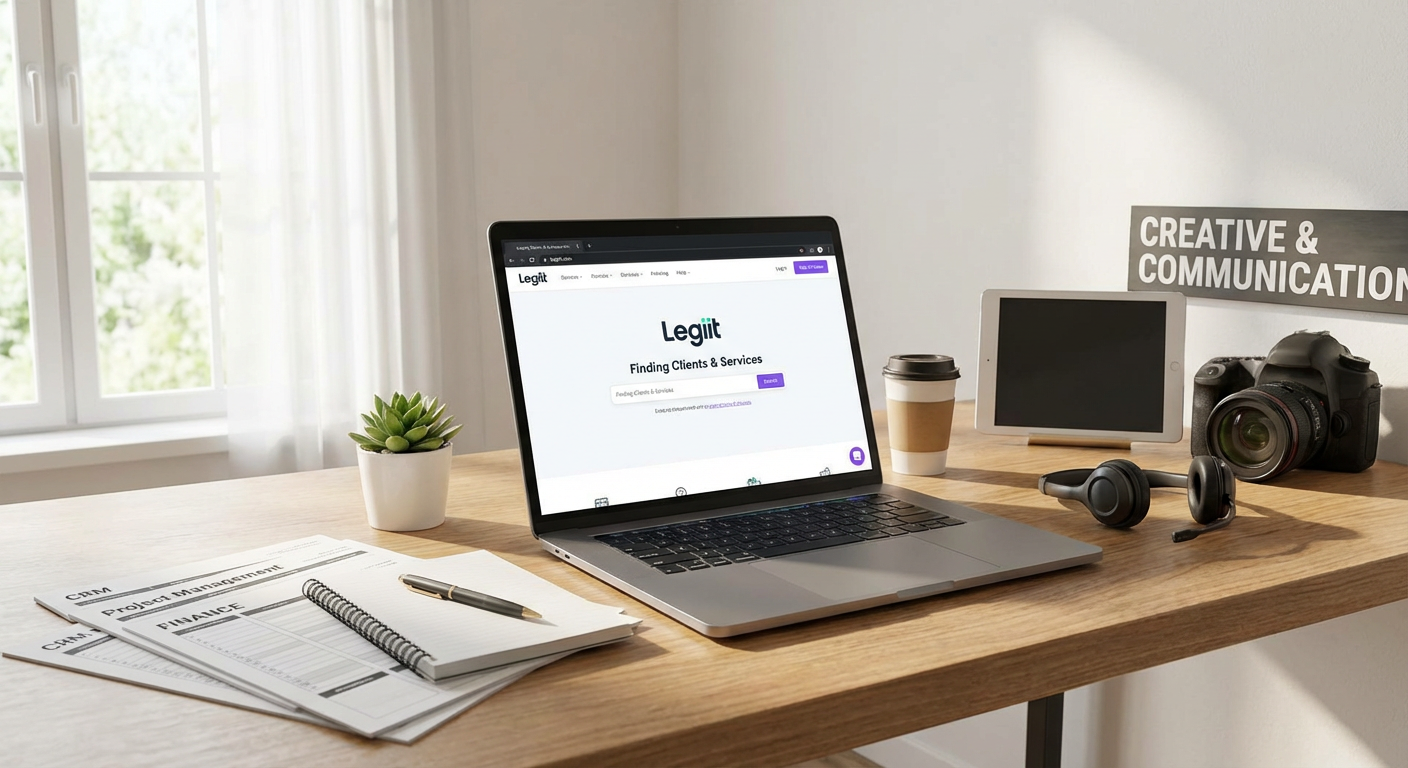
  1. Legiit for Quick Client Connections and Service PackagingLegiit for Quick Client Connections and Service Packaging
    Finding clients consistently is one of the biggest time drains for freelancers. Cold outreach, proposal writing, and endless back-and-forth negotiations can eat up entire days. Legiit solves this by letting you create service packages that clients can purchase directly, cutting out most of the sales cycle. You list what you offer, set your price, and clients who need your skills can hire you immediately.

    The platform handles payments, provides a workspace for project communication, and includes dispute resolution if needed. This means less time chasing invoices and more time doing the work you’re actually good at. For freelancers who want to spend their energy on delivery rather than sales, Legiit offers a straightforward way to get hired faster and start projects without the usual friction.

  2. Notion for All-in-One Workspace OrganizationNotion for All-in-One Workspace Organization

    Switching between apps for notes, task lists, project tracking, and client documentation wastes more time than most freelancers realize. Notion combines all of these into one flexible workspace that molds to how you actually work. You can build client dashboards, track project milestones, store research, and manage your editorial calendar all in the same place.

    The real time-saver is the database feature. Create one client database and use different views to see active projects, pending invoices, or archived work without rebuilding spreadsheets. Templates let you duplicate your workflow for each new client instantly. Once you set up your system, onboarding new projects takes minutes instead of hours.

  3. Calendly for Instant Meeting Scheduling

    The email tennis match of finding a meeting time can stretch over days and involve a dozen messages. Calendly eliminates this entirely by letting clients and collaborators see your availability and book time slots directly. You set your available hours, buffer times between meetings, and which types of appointments you offer.

    The tool syncs with your existing calendar to prevent double bookings and sends automatic reminders to reduce no-shows. You can create different meeting types with custom durations and questions, so discovery calls, client check-ins, and project kickoffs each have their own flow. What used to take ten emails now happens in one click.

  4. Grammarly for Faster, Cleaner Writing

    Proofreading your own work is slow and often ineffective because your brain fills in what you meant to write. Grammarly catches errors as you type, across emails, documents, and web forms. This means you spend less time reviewing and revising, especially on client communications where professionalism matters.

    Beyond basic spelling and grammar, it suggests clarity improvements and tone adjustments. The browser extension works everywhere, so you’re not copying text back and forth between applications. For freelancers who write frequently, whether that’s content creation, client updates, or proposals, Grammarly can save 15 to 30 minutes daily just by reducing revision cycles.

  5. Toggl Track for Effortless Time Tracking

    Tracking time manually is tedious and almost always inaccurate. Toggl Track runs in the background with a single click to start and stop timers. It integrates with the apps you already use, so you can start a timer directly from your project management tool or calendar.

    The real value appears when you review where your time actually goes. You’ll spot tasks that take longer than they should and clients who require disproportionate support. The automatic idle detection prevents you from accidentally logging hours when you stepped away. Weekly reports generate instantly, making invoicing faster and helping you price future projects more accurately based on real data.

  6. Canva for Rapid Visual Content Creation

    Hiring a designer or learning complex software like Photoshop is overkill for most freelance visual needs. Canva provides thousands of templates for social media posts, presentations, proposals, invoices, and marketing materials. You drag and drop elements, change colors and text, and export professional-looking graphics in minutes.

    The template library means you’re never starting from a blank canvas. If you need consistent branding across materials, you can save your brand colors and fonts for one-click application. Even freelancers who don’t consider themselves creative can produce polished visuals for their business without the learning curve or expense of professional design software.

  7. Zapier for Connecting Your App Stack

    Moving information between apps manually is a massive time sink. Zapier automates these transfers by connecting your tools and triggering actions based on events. When a client fills out your intake form, Zapier can automatically create a project in your task manager, add them to your CRM, and send a welcome email.

    You build these automations with a simple interface that requires no coding. Common freelancer workflows include saving email attachments to cloud storage, creating invoices when projects are marked complete, and logging new calendar events to a spreadsheet. Each automation might save just five minutes, but across dozens of repetitive tasks each week, Zapier can reclaim hours of tedious data entry.

  8. Loom for Quick Video Communication

    Some things are faster to show than to write out. Loom lets you record your screen, your face, or both, and instantly generates a shareable link. This is perfect for giving client feedback on designs, explaining a process, providing project updates, or creating simple tutorials.

    A five-minute Loom video often replaces a 30-minute video call or a lengthy email with multiple screenshots. Recipients can watch on their schedule and rewatch sections if needed. The automatic transcription makes videos searchable, and comments let people ask questions at specific timestamps. For freelancers who work with visual deliverables or remote teams, Loom reduces meeting time while improving clarity.

  9. LastPass for Secure, Instant Logins

    Freelancers juggle accounts for client platforms, social media, banking, project tools, and more. Remembering passwords or digging through saved documents to find login credentials wastes time and creates security risks. LastPass stores all your passwords in an encrypted vault and auto-fills them when you visit websites.

    You only need to remember one master password. The tool generates strong, unique passwords for each account, improving your security without adding mental load. The time savings add up quickly when you access client systems, email accounts, and software tools dozens of times each day. Sharing features also let you give clients temporary access to accounts without revealing passwords.

  10. QuickBooks Self-Employed for Simplified Bookkeeping

    Tax time becomes a nightmare when you’ve spent months tossing receipts in a folder and ignoring expense tracking. QuickBooks Self-Employed connects to your bank accounts and automatically categorizes transactions as business or personal. You can snap photos of receipts that get stored with the transaction, and the mileage tracker logs business trips automatically.

    The software estimates your quarterly tax obligations so you’re not surprised by a massive bill. Come tax season, you can export everything your accountant needs or file directly through the platform. What traditionally requires weekend marathons of receipt sorting and spreadsheet building now happens continuously in the background, saving dozens of hours per year and reducing stress considerably.

The difference between a stressed freelancer working 60-hour weeks and a thriving one with free evenings often comes down to tools. Each application on this list solves a specific time drain, from finding clients to tracking expenses. Start with the areas where you feel the most friction in your current workflow. Even adding two or three of these tools can give you back 10 or more hours each week. That’s time you can spend on better projects, skill development, or simply living your life outside of work. Your freelance business should support your lifestyle, not consume it.

14 Expert-Recommended Sites to Hire AI Experts on Demand

14 Expert-Recommended Sites to Hire AI Experts on Demand

Finding the right AI expert can make or break your project. Whether you need machine learning engineers, natural language processing specialists, or AI consultants, the platform you choose matters. This list highlights sites that industry professionals trust and recommend based on proven results, quality talent pools, and reliable project outcomes. Each platform has been vetted by experts who understand what separates good AI talent from great AI talent.

  1. LegiitLegiit

    Industry insiders consistently recommend Legiit for its curated marketplace of AI specialists who focus on practical, results-driven solutions. The platform stands out because it emphasizes verified expertise and transparent service offerings, making it easier to match with AI professionals who have demonstrable track records. You can find specialists in machine learning implementation, AI automation, chatbot development, and custom AI solutions. The review system and portfolio showcases help you make informed decisions quickly. Legiit also provides a secure payment structure that protects both clients and service providers throughout the project lifecycle.

  2. ToptalToptal

    Professionals across industries point to Toptal as the gold standard for hiring elite AI talent. The platform maintains a rigorous screening process that accepts only the top three percent of applicants, which means you get access to thoroughly vetted experts. Many Fortune 500 companies and established tech firms use Toptal when they need AI specialists who can handle complex challenges without extensive hand-holding. The matching process involves understanding your specific requirements before introducing you to candidates, which saves considerable time in the hiring process.

  3. Upwork Pro

    Upwork’s Pro tier has earned strong endorsements from business leaders who need dependable AI expertise. Unlike the standard Upwork marketplace, Pro provides access to pre-screened professionals with verified credentials and extensive portfolios. The platform’s talent specialists can help match you with AI experts based on your project scope and technical requirements. Many consultants recommend Upwork Pro for mid-sized projects that need skilled professionals but don’t require the premium pricing of top-tier agencies.

  4. Gun.io

    Tech leaders frequently mention Gun.io when discussing where to find reliable AI developers and data scientists. The platform focuses specifically on software engineering talent, including AI and machine learning specialists who have been thoroughly evaluated. Gun.io handles the vetting process by testing technical skills and verifying work history, which reduces your risk of hiring underqualified candidates. The platform works particularly well for companies that need to scale their AI teams quickly without sacrificing quality.

  5. Catalant

    Senior executives and strategy consultants often recommend Catalant for accessing high-level AI consultants and advisors. The platform specializes in connecting businesses with experienced professionals who can provide strategic guidance on AI implementation, not just technical execution. You’ll find former McKinsey consultants, ex-Google AI researchers, and other seasoned experts who can help shape your AI strategy from the ground up. Catalant works best for organizations that need expertise at the intersection of business strategy and artificial intelligence.

  6. Gigster

    Product managers and CTOs frequently endorse Gigster for AI projects that require both technical depth and project management support. Rather than just connecting you with individual freelancers, Gigster assembles managed teams that include AI engineers, designers, and project coordinators. The platform takes responsibility for delivering your project, which provides an extra layer of accountability. This approach works well when you need a complete AI solution built from scratch but lack the internal resources to manage multiple contractors.

  7. Expert360

    Business consultants and enterprise teams often point to Expert360 for finding AI specialists with corporate experience. The platform focuses on professionals who have worked with large organizations and understand enterprise requirements, compliance needs, and stakeholder management. You can find AI experts who specialize in regulated industries like healthcare and finance, where domain knowledge matters as much as technical skills. Expert360 also provides a service layer that helps with onboarding and project setup, which streamlines the engagement process.

  8. Kolabtree

    Research professionals and academic institutions consistently recommend Kolabtree for connecting with AI experts who have strong scientific backgrounds. The platform specializes in PhD-level consultants and researchers who can handle complex AI projects requiring advanced knowledge in statistics, algorithm development, or specialized domains. Many users appreciate that you can hire experts for specific tasks like reviewing your AI model architecture, analyzing datasets, or writing technical documentation. Kolabtree works particularly well for projects that sit at the intersection of research and practical application.

  9. A.Team

    Startup founders and innovation leaders often mention A.Team when they need top-tier AI talent organized into cohesive working units. The platform builds custom teams of senior-level professionals, including AI engineers, machine learning specialists, and product experts who have worked at companies like Tesla, Netflix, and Apple. Rather than browsing profiles yourself, you describe your project and A.Team assembles the right combination of skills. This white-glove approach comes at a premium but delivers results for high-stakes AI initiatives.

  10. Turing

    Engineering managers and technical recruiters frequently endorse Turing for hiring remote AI developers who can integrate with existing teams. The platform uses its own AI-powered vetting system to assess candidates across multiple dimensions, including coding skills, problem-solving ability, and communication. You can hire full-time remote AI engineers rather than just project-based contractors, which makes Turing ideal for building long-term AI capabilities. The platform handles payroll, compliance, and benefits, which simplifies international hiring.

  11. Toptal Enterprises

    Large organizations and digital transformation leaders often recommend Toptal’s enterprise offering when they need to scale AI teams rapidly. This service goes beyond individual expert matching to provide dedicated account management, team assembly, and ongoing support for complex AI initiatives. You get access to the same elite talent pool as standard Toptal but with additional services that help manage multiple engagements and ensure consistency across projects. Many enterprises use this service when rolling out AI across different departments or business units.

  12. Andela

    Technology leaders looking for cost-effective AI expertise often point to Andela for accessing talented engineers from emerging tech hubs. The platform focuses on developing and connecting skilled professionals from Africa and Latin America, offering competitive rates without compromising on quality. Andela invests heavily in training and community building, which means you get motivated AI specialists who are committed to long-term engagements. The platform works well for companies that want to build diverse, distributed AI teams while managing costs effectively.

  13. Proxify

    Product development teams and technical founders frequently recommend Proxify for finding European-based AI developers who can work in compatible time zones. The platform maintains a curated network of senior engineers with specific AI and machine learning expertise, all thoroughly vetted through technical interviews and background checks. Proxify handles the matching process and provides a replacement guarantee if an expert doesn’t work out. The platform appeals to companies that value cultural alignment and synchronous collaboration alongside technical skills.

  14. Braintrust

    Freelancers and hiring managers in the tech community often endorse Braintrust for its transparent, low-fee model that benefits both clients and AI experts. The platform operates as a decentralized talent network where rates remain competitive because fewer fees get extracted from each transaction. You can find experienced AI professionals who might otherwise work through higher-priced platforms but choose Braintrust for its fair economic model. The community-driven approach means you often get referrals and recommendations from other users, which helps with quality control.

The platforms on this list have earned their reputations through consistent delivery and proven results. Each serves different needs, from high-level strategic AI consulting to hands-on machine learning development. The key is matching your specific requirements with the platform that best serves those needs. Start by clearly defining what kind of AI expertise you need, then explore two or three platforms from this list that align with your project scope and budget. With the right platform and a clear project brief, you’ll be well-positioned to find AI experts who can turn your vision into reality.

Freelancer Platforms With Real Niche Depth for Marketers: Compared and Reviewed

Freelancer Platforms With Real Niche Depth for Marketers: Compared and Reviewed

Finding the right freelancer platform can make or break your marketing campaigns. Generic marketplaces flood you with options but rarely deliver specialists who truly understand your niche. This guide compares ten platforms that offer genuine depth in marketing specialties, weighing their strengths against their limitations. You’ll see how each option stacks up in terms of talent quality, pricing structure, vetting processes, and the types of marketing work they handle best. By the end, you’ll have a clear picture of which platform matches your specific needs.

  1. Legiit: Service Packages Versus Hourly BiddingLegiit: Service Packages Versus Hourly Bidding

    Legiit takes a different approach from most freelancer platforms by focusing on fixed-price service packages rather than hourly bidding wars. This structure means you know exactly what you’re paying before you commit, which eliminates the budget creep that plagues project-based hiring on other sites. The platform specializes in digital marketing services like SEO, content creation, social media management, and paid advertising, attracting specialists who package their expertise into clear deliverables.

    The main advantage here is speed and clarity. You can browse pre-built services, compare what’s included, and purchase immediately without lengthy negotiations. This works exceptionally well for routine marketing tasks or when you need something done quickly. The trade-off is less flexibility for highly custom projects that don’t fit into standard packages. If you need a specialist to build something from scratch based on detailed specifications, you might find the package model limiting.

    Legiit‘s vetting leans toward performance metrics and customer reviews rather than upfront credentialing. Sellers build their reputation over time, and the platform highlights top performers prominently. This means newer sellers might offer great value but require more due diligence on your part. For marketers who value straightforward pricing and want to avoid the back-and-forth of traditional freelancing, this platform offers a refreshingly direct alternative.

  2. Upwork: Breadth of Options Versus Quality Control ChallengesUpwork: Breadth of Options Versus Quality Control Challenges

    Upwork dominates the freelance marketplace with millions of professionals across every marketing discipline imaginable. You can find specialists in email marketing, conversion rate optimization, influencer outreach, marketing automation, and virtually any other niche. The sheer volume of available talent means you’ll almost certainly find someone who claims to match your requirements.

    The challenge lies in sorting signal from noise. Because Upwork’s barrier to entry is relatively low, you’ll encounter a wide range of skill levels, from true experts to beginners misrepresenting their experience. The platform’s rating system helps, but fake reviews and inflated credentials remain common problems. Expect to spend significant time vetting candidates, reviewing portfolios, and conducting interviews before finding the right match.

    Pricing on Upwork varies wildly. You’ll find marketers charging anywhere from ten dollars to two hundred dollars per hour for similar services. The platform takes a sliding percentage fee from freelancers, which some pass along to clients through higher rates. For complex marketing projects requiring ongoing collaboration, Upwork’s communication tools and time tracking features work well. For quick, straightforward tasks, the overhead of managing the relationship might not justify the effort compared to more streamlined alternatives.

  3. Fiverr Pro: Vetted Talent Versus Higher Price Points

    Fiverr built its reputation on five-dollar gigs, but Fiverr Pro represents their answer to quality concerns. This tier features hand-vetted professionals who have demonstrated expertise and reliability. For marketers, this means access to specialists in areas like brand strategy, marketing analytics, conversion copywriting, and campaign management without wading through thousands of unqualified sellers.

    The vetting process is genuinely rigorous. Fiverr Pro sellers must provide proof of experience, undergo background checks, and maintain high performance standards. This quality control comes at a cost. Pro services typically start at several hundred dollars and can run into the thousands for comprehensive projects. You’re paying a premium for the assurance that you’re working with legitimate professionals.

    Compared to standard Fiverr, Pro offers better communication, faster response times, and more reliable delivery. Compared to Upwork, it provides more structure and less risk. The trade-off is reduced flexibility in negotiating terms and less opportunity to find hidden gems at lower price points. If budget is your primary concern, Pro might feel expensive. If your priority is minimizing risk and saving time on vetting, the premium is often justified.

  4. Toptal: Elite Talent Versus Accessibility Barriers

    Toptal positions itself at the top of the freelancer hierarchy, claiming to accept only the top three percent of applicants. For marketing roles, this means access to senior-level strategists, growth marketers, and analytics experts who have worked with major brands. The screening process includes multiple interviews, test projects, and background verification.

    The quality is genuinely high. Toptal marketers typically bring years of experience and can operate independently with minimal oversight. They understand business objectives, not just tactical execution. This makes them ideal for strategic initiatives like entering new markets, overhauling your marketing stack, or scaling campaigns that are already working.

    The barriers are significant. Toptal requires substantial budgets, often with minimum engagement commitments. Hourly rates typically start above one hundred dollars and climb quickly for specialists. The platform also takes time to match you with candidates, so it’s not suitable for urgent needs. Small businesses and startups may find the costs prohibitive. Established companies with complex marketing challenges will appreciate the caliber of talent, but you’re definitely paying for that peace of mind. Compared to mid-tier platforms, you get far more expertise but sacrifice affordability and speed.

  5. Mayple: Managed Matching Versus DIY Flexibility

    Mayple takes a concierge approach to freelancer matching. Instead of browsing profiles yourself, you describe your needs and their team matches you with vetted marketing experts from their network. The platform focuses specifically on digital marketing disciplines like PPC management, Facebook advertising, SEO audits, and email campaign optimization.

    The primary advantage is time savings and reduced risk. Mayple pre-vets all marketers and uses data from previous projects to make informed matches. You skip the lengthy search and interview process. The platform also provides performance monitoring and will replace underperforming freelancers if results don’t meet expectations. This managed approach works well for businesses that lack the expertise to evaluate marketing talent themselves.

    The trade-off is less control over the selection process. You get limited say in exactly who you work with, and the matching algorithm might not fully grasp nuanced requirements. Pricing is typically higher than platforms where you hire directly because you’re paying for the matching service. Compared to Upwork’s DIY approach, Mayple saves time but reduces flexibility. Compared to agencies, it’s more affordable but less hands-on. This middle-ground option suits companies that want better talent than general freelance sites provide but aren’t ready for full agency pricing.

  6. 99designs: Design Specialization Versus Limited Marketing Scope

    99designs carved out a niche in design-focused marketing services, particularly logo design, brand identity, web design, and marketing collateral. The platform operates primarily through contests where multiple designers submit concepts and you choose your favorite, though one-to-one projects are also available.

    For visual marketing needs, 99designs offers strong specialization. Designers on the platform understand branding principles and can deliver polished, professional work. The contest model lets you see multiple creative directions before committing, which reduces risk compared to hiring a single designer blindly. Quality tends to be reliable for standard design projects like business cards, social media graphics, or simple landing pages.

    The limitations become apparent for complex marketing work. 99designs doesn’t handle strategy, copywriting, analytics, or technical implementation beyond basic design. If you need an integrated marketing campaign, you’ll need to coordinate with freelancers from other platforms. The contest model, while offering variety, can feel exploitative since multiple designers work without guaranteed payment. One-to-one projects avoid this issue but lose the benefit of seeing multiple approaches. Compared to full-service platforms, 99designs excels in its narrow specialty but requires supplementation for broader marketing needs.

  7. Codeable: Technical Marketing Versus Creative Strategy

    Codeable focuses exclusively on WordPress development, making it highly specialized for marketers who need technical implementation rather than creative strategy. If your marketing efforts rely heavily on WordPress for landing pages, marketing automation integration, custom tracking setup, or performance optimization, this platform connects you with experts who live in that specific ecosystem.

    The vetting process emphasizes technical competency. All developers undergo skills testing and maintain quality standards through ongoing performance monitoring. For technical marketing projects like setting up conversion tracking, integrating your CRM, optimizing site speed for better ad performance, or building custom marketing tools, Codeable delivers reliable results.

    The narrow focus is both strength and limitation. You won’t find content writers, social media managers, or marketing strategists here. This is purely for the technical side of marketing execution. Pricing tends toward the higher end because WordPress expertise commands premium rates, especially for complex integrations. Compared to general development platforms, Codeable offers better quality control and WordPress-specific knowledge. Compared to marketing-focused platforms, it handles technical needs well but requires coordination with other specialists for complete campaigns. This platform works best as part of a larger freelancer strategy rather than a standalone solution.

  8. Contently: Content Quality Versus Platform Overhead

    Contently built its platform specifically for content marketing, connecting brands with writers, editors, strategists, and designers who specialize in long-form content, thought leadership, and content strategy. The platform includes workflow tools, content management features, and analytics to track content performance.

    The quality bar is high. Contently vets all creators for writing ability, subject matter expertise, and professional experience. Many freelancers on the platform have journalism backgrounds or have written for major publications. This makes it ideal for content marketing programs that require consistent quality and strategic thinking, not just keyword-stuffed blog posts.

    The comprehensive platform features come with significant overhead. Contently functions more like a software service with a freelancer marketplace attached than a simple hiring platform. This complexity suits enterprise marketing teams managing large content operations but feels excessive for small businesses needing occasional blog posts. Pricing reflects this positioning, with costs typically exceeding simpler content platforms. Compared to general freelance marketplaces, you get better content quality and project management tools. Compared to hiring writers directly, you pay more but gain structure and reliability. The value proposition makes sense at scale but becomes questionable for limited content needs.

  9. Working Not Working: Creative Talent Versus Project Minimums

    Working Not Working serves as a portfolio platform and hiring marketplace for creative professionals, including art directors, copywriters, brand strategists, and creative directors focused on advertising and brand marketing. The platform attracts agency-caliber talent looking for freelance and contract opportunities.

    The creative quality is exceptional. Portfolios showcase work for recognizable brands, and many freelancers have agency backgrounds. For brand campaigns, creative concepting, or advertising projects that require high-level creative thinking, this platform provides access to professionals who understand the craft. The community aspect also means you’re more likely to find creatives who can recommend specialists in complementary areas.

    The catch is that talent at this level expects commensurate compensation and project scope. Most freelancers on Working Not Working aren’t interested in small tasks or ongoing retainers for routine work. They want substantial projects that showcase their abilities. Minimum project values often start in the thousands. Compared to platforms focused on execution, Working Not Working delivers superior creative thinking but requires larger budgets. Compared to hiring agency freelancers directly, it provides more transparency and easier access. This platform suits established brands with meaningful creative projects, not startups looking for affordable content production.

  10. Dribbble: Portfolio Discovery Versus Hiring Infrastructure

    Dribbble functions primarily as a portfolio showcase for designers but includes hiring features that let you connect with visual marketing specialists. Designers post their work, and you can reach out to those whose style matches your needs. The platform excels for finding designers who specialize in UI/UX, branding, illustration, and digital marketing visuals.

    The advantage is seeing extensive portfolio work before making contact. You can evaluate style, skill level, and creative range comprehensively. The community tends toward high-quality visual work, and many designers maintain active profiles showcasing recent projects. For marketing materials requiring distinctive visual style, browsing Dribbble often surfaces designers you wouldn’t find through traditional freelance searches.

    The hiring infrastructure is minimal compared to dedicated freelance platforms. There’s no built-in project management, payment processing, or dispute resolution. You handle all negotiations and transactions independently, which requires more effort and carries more risk. Pricing isn’t standardized, so you’ll need to discuss rates individually with each designer. Compared to full-service platforms, Dribbble offers better creative discovery but requires more work to actually hire and manage freelancers. It works best for finding the right creative talent when aesthetics matter most, then moving the relationship to email or another management tool for actual project execution.

Each platform on this list makes different trade-offs between quality, cost, specialization, and convenience. General marketplaces like Upwork offer the widest selection but require the most vetting effort. Managed services like Mayple save time but reduce your control. Specialized platforms like Codeable and Contently excel in narrow areas but need supplementation for complete marketing programs. Your best choice depends on your specific situation: the complexity of your projects, your budget constraints, your ability to evaluate talent, and how much time you can invest in the hiring process. Most marketing teams end up using multiple platforms, selecting the right tool for each type of project rather than trying to force one platform to handle everything.

9 Beginner-Friendly Marketplaces Where You Can Hire a Team, Not Just a Gig

9 Beginner-Friendly Marketplaces Where You Can Hire a Team, Not Just a Gig

If you’re new to hiring online talent, the process can feel overwhelming. Most freelance platforms focus on connecting you with individual contractors for one-off tasks, but what if you need a coordinated team to tackle a bigger project? Whether you’re launching a website, building a marketing campaign, or developing software, having multiple specialists work together makes everything smoother. This guide highlights nine beginner-friendly marketplaces where you can hire entire teams instead of piecing together solo freelancers. Each platform on this list prioritizes ease of use, clear communication, and straightforward onboarding, so you can get started without a steep learning curve.

  1. LegiitLegiit

    Legiit makes it simple for beginners to hire pre-assembled teams of digital marketing professionals. Instead of juggling multiple freelancers yourself, you can browse service packages that include everything from content writers and SEO specialists to graphic designers and social media managers working together. The platform uses a straightforward service marketplace model where you can see exactly what you’re getting before you commit.

    What sets Legiit apart for newcomers is how transparent the process feels. Each service listing clearly explains deliverables, timelines, and pricing with no hidden fees or confusing bidding wars. Many providers on Legiit offer Done-For-You services, meaning the team handles coordination internally while you simply provide the initial brief and feedback. This hands-off approach works perfectly if you’re not sure how to manage multiple specialists or if you just want results without micromanaging every step.

  2. MaypleMayple

    Mayple specializes in matching businesses with vetted marketing teams rather than making you sift through hundreds of individual profiles. The platform focuses specifically on digital marketing, so if you need help with paid ads, email campaigns, or social media strategy, this is a solid starting point. Their matching process asks you questions about your business goals and budget, then recommends teams that fit your needs.

    For beginners, the real advantage here is the curation. You won’t spend hours comparing portfolios or trying to figure out who’s qualified. Mayple pre-screens all their marketing professionals and often pairs you with teams that have worked together before. This means less risk of miscommunication and a smoother workflow from day one. The platform also provides performance tracking tools that help you see results in plain language, which is helpful if marketing metrics normally make your head spin.

  3. Crew

    Crew connects you with small teams of designers and developers who already have a working relationship. Rather than hiring strangers who’ve never collaborated, you get access to groups that know how to communicate and share workloads effectively. The platform focuses primarily on web and mobile projects, making it ideal if you’re building or redesigning a digital product.

    The onboarding process is refreshingly simple. You submit a project request describing what you need, and Crew’s team reviews it before suggesting a few pre-vetted groups that match your requirements. This takes the guesswork out of hiring and reduces the chance you’ll pick someone who sounds good on paper but doesn’t deliver. Because these teams work together regularly, they tend to have established processes and can often move faster than a group of freelancers you’ve assembled yourself.

  4. Gigster

    Gigster is built around the idea of assembling full development teams for software projects. If you need a mobile app, web platform, or custom software solution but don’t have technical experience, Gigster simplifies the entire process. They assign you a project manager who acts as a translator between your business goals and the technical team doing the work.

    What makes this beginner-friendly is the level of support you receive. You don’t need to understand code or manage individual developers. Instead, you communicate with one person who handles team coordination, timelines, and quality control. Gigster also provides clear milestones and progress updates, so you always know where your project stands. The platform works best for businesses with a reasonable budget, as the quality and convenience come at a higher price point than typical freelance marketplaces.

  5. Gun.io

    Gun.io offers access to teams of experienced software developers and engineers who can take on complex technical projects. The platform pre-vets all talent and often groups developers with complementary skills, so you get a balanced team without having to assess technical abilities yourself. This is particularly helpful if you’re a non-technical founder or business owner who needs reliable development work.

    The process starts with a consultation where you describe your project requirements. Gun.io then matches you with a team that has relevant experience and can start quickly. Their focus on quality means you’re less likely to encounter the common problems that plague beginner hirers, such as missed deadlines or subpar code. The platform also offers flexible engagement models, so you can hire a team for a single project or keep them on retainer for ongoing work.

  6. Collective

    Collective specializes in connecting businesses with small creative teams for branding, design, and content projects. Instead of hiring a single graphic designer or copywriter, you can work with a duo or trio that handles multiple aspects of your creative needs simultaneously. This approach works well for product launches, rebrands, or marketing campaigns that need a cohesive look and message.

    For beginners, Collective reduces the stress of managing creative work by pairing you with teams that already have a shared aesthetic and workflow. You provide your vision and feedback, and the team handles the back-and-forth collaboration internally. The platform also offers project templates and clear pricing structures, so you’re not left guessing about costs or scope. This level of clarity helps first-time hirers avoid the budget overruns and miscommunications that often happen with creative projects.

  7. Lemon.io

    Lemon.io focuses on providing businesses with vetted development teams that can start working within days. The platform screens developers rigorously, accepting only a small percentage of applicants, which means you’re working with proven talent. They offer both individual developers and small teams depending on your project needs, but their team options are particularly strong for startups and small businesses.

    The beginner-friendly aspect comes from how quickly and smoothly the matching process works. You describe your project, and Lemon.io presents a shortlist of suitable teams within 24 to 48 hours. There’s no lengthy search process or complicated vetting on your end. The platform also handles contracts and payments, which simplifies the administrative side of hiring. If you need to scale your team up or down as the project progresses, Lemon.io makes those adjustments straightforward.

  8. Konsus

    Konsus offers on-demand teams for a variety of business tasks, from graphic design and content creation to data entry and market research. The platform is designed for businesses that need recurring support rather than one-off projects. You can request work through a simple online interface, and a team of specialists handles your tasks within agreed timeframes.

    What makes Konsus approachable for newcomers is the subscription model and the lack of hiring friction. You don’t interview candidates or negotiate rates. Instead, you submit work requests, and the platform assigns the right team members based on the task. This model works particularly well if you have ongoing needs but don’t want to commit to hiring full-time employees or managing multiple freelancers. The quality control is built into the platform, so you get consistent results without having to oversee every detail.

  9. Working Not Working

    Working Not Working connects businesses with creative teams across design, advertising, photography, and video production. The platform is known for its community of high-quality creatives, many of whom work in small collectives or studios. This makes it easier to hire a group that already collaborates well rather than trying to coordinate strangers.

    For beginners, the platform offers a straightforward search and outreach process. You can browse portfolios, filter by specialty and location, and reach out directly to teams that match your project needs. The platform also facilitates introductions and provides tools for managing contracts and payments. Because many users are established creative teams rather than solo freelancers, you’re more likely to find groups that can handle multiple aspects of a campaign or project under one roof. This reduces the coordination burden on you and often leads to more cohesive final results.

Hiring a team instead of individual freelancers can dramatically simplify your project management and improve your results, especially when you’re just starting out. The platforms on this list remove much of the guesswork and coordination stress by connecting you with groups that already know how to work together. Whether you need marketing support, software development, or creative services, these beginner-friendly marketplaces offer clear processes, vetted talent, and the kind of support that helps first-time hirers feel confident. Take some time to explore a few options, start with a smaller project to test the waters, and you’ll quickly find that hiring teams is far less intimidating than it might seem at first.

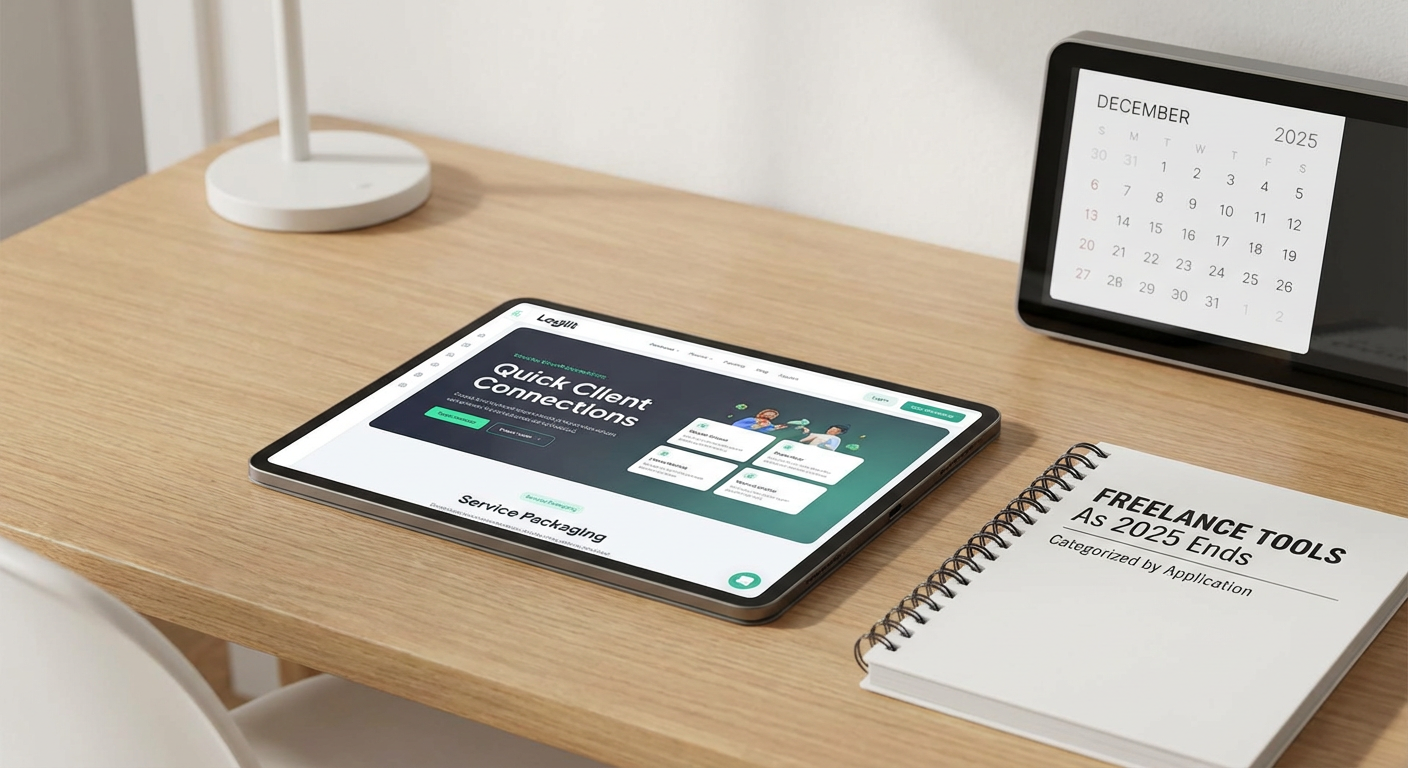
10 Beginner-Friendly Tools You Must Have in Your Freelancing Business, Categorized by Application

10 Beginner-Friendly Tools You Must Have in Your Freelancing Business, Categorized by Application

Starting a freelancing business can feel overwhelming, especially when you’re bombarded with advice about dozens of tools you supposedly need. The truth is, you don’t need expensive or complicated software to get started. What you need are straightforward, easy-to-learn tools that help you work efficiently without a steep learning curve. This list focuses on beginner-friendly options across different categories, each chosen because they’re simple to set up, intuitive to use, and won’t leave you watching hours of tutorial videos just to understand the basics. Whether you’re managing clients, tracking time, or handling invoices, these tools will help you build a solid foundation for your freelancing career.

  1. Legiit for Finding Clients and ServicesLegiit for Finding Clients and Services

    When you’re just starting out, finding your first clients can be the hardest part of freelancing. Legiit makes this process straightforward by giving you a platform where you can offer your services directly to people who need them. You create a simple profile, list what you do, set your prices, and start accepting orders. The interface is clean and doesn’t require any technical knowledge to navigate.

    What makes Legiit particularly good for beginners is that it handles payments securely and provides a structured way to communicate with clients. You don’t need to worry about setting up payment processors or writing complex contracts right away. The platform also has a marketplace where you can buy services from other freelancers if you need help with tasks outside your skill set. This makes it easier to deliver complete projects even when you’re building your capabilities.

  2. Wave for Simple AccountingWave for Simple Accounting

    Accounting software often looks intimidating, but Wave breaks everything down into simple terms that anyone can understand. It’s completely free for basic features, which is perfect when you’re watching every dollar in your new business. You can create professional invoices in minutes, track your expenses by snapping photos of receipts, and see basic reports that show whether you’re actually making money.

    The dashboard shows you everything at a glance without burying information in complicated menus. When tax time comes around, you can export reports that make it easier to work with an accountant or file yourself. Wave also connects to your bank account to automatically import transactions, saving you from manual data entry. For someone who has never done business accounting before, this tool removes most of the fear and confusion.

  3. Trello for Project Management

    Trello uses a visual board system that mimics how many people naturally organize tasks with sticky notes. You create cards for different tasks, move them between columns as work progresses, and add details like due dates or attachments. There’s no manual to read because the system is self-explanatory within minutes of using it.

    For freelancers juggling multiple clients, you can create separate boards for each project or one master board with different sections. The free version gives you everything most solo freelancers need. You can share boards with clients so they see your progress without constant update emails. The mobile app works smoothly, letting you check tasks or make updates from anywhere. Trello grows with you, offering more advanced features when you’re ready, but you can stay productive with just the basics indefinitely.

  4. Canva for Quick Design Work

    Not every freelancer is a designer, but most need to create graphics occasionally for social media, proposals, or client presentations. Canva gives you thousands of templates that you can customize by simply clicking and typing. The drag-and-drop interface means you never touch complicated design software or learn technical skills.

    You can make professional-looking graphics for Instagram posts, business cards, presentation slides, and more in minutes rather than hours. The free version includes plenty of templates, photos, and fonts to get started. Canva also has a built-in photo editor with simple sliders for adjustments, so you don’t need separate editing software. When clients need quick visual content and you don’t have a designer on hand, Canva saves you time and money while still producing quality results.

  5. Google Workspace for Email and File Storage

    Having a professional email address builds trust with clients, and Google Workspace gives you that along with cloud storage, documents, and spreadsheets. The interface is familiar if you’ve ever used Gmail, so there’s almost no learning curve. You get a custom email with your business name, which looks far more professional than a generic free email account.

    Google Docs and Sheets work great for contracts, proposals, and tracking projects without buying expensive office software. Everything saves automatically to the cloud, so you never lose work if your computer crashes. You can easily share documents with clients and see their comments in real time. The search function across all your files is powerful, helping you find that one email or document from months ago in seconds. For beginners, the monthly cost is reasonable and covers multiple essential tools in one package.

  6. Toggl Track for Time Management

    Tracking your time helps you understand how long tasks actually take and whether you’re pricing your services correctly. Toggl Track makes this simple with a big start and stop button that you click when beginning and ending work. You can add a brief description and tag it to a specific client or project with just a couple more clicks.

    The reports show you where your hours go each week, which can be eye-opening when you realize certain tasks eat up more time than you thought. This information helps you adjust your rates or streamline your process. Toggl works as a browser extension, desktop app, or mobile app, so you can track time however you work. The free version is generous and handles everything most solo freelancers need. You can also use the data to create accurate invoices that show clients exactly what you worked on.

  7. Grammarly for Writing Confidence

    Clear communication matters in freelancing, whether you’re writing emails, proposals, blog posts, or social media content. Grammarly acts like a helpful editor that catches mistakes as you type. It underlines errors and suggests corrections with simple explanations, which actually helps you learn better writing habits over time.

    The free version catches spelling and basic grammar mistakes, which covers most needs for someone starting out. It works inside your browser, email client, and many other applications, so you get help wherever you write. The tone detector helps you understand if your message sounds friendly, formal, or something else, which is useful when communicating with different types of clients. You don’t need to be a perfect writer to succeed as a freelancer, but Grammarly helps you present yourself professionally with less stress.

  8. Calendly for Scheduling Meetings

    The back-and-forth emails trying to find a meeting time waste energy that could go toward billable work. Calendly solves this by letting clients see your available times and book meetings themselves. You set your working hours and buffer times, then share a simple link. The client picks a slot that works for them, and the meeting appears on both calendars automatically.

    The tool connects to Google Calendar or other calendar services, so it knows when you’re already busy and won’t double-book you. You can set up different meeting types with different lengths and send custom questions that clients answer when booking. Email reminders go out automatically, reducing no-shows. The free plan covers one meeting type, which is enough when you’re starting. This small tool saves hours of administrative work each month and makes you look organized and professional.

  9. LastPass for Password Security

    Freelancers juggle accounts for clients, tools, social media, and more. Writing passwords on paper or reusing the same one everywhere creates security risks. LastPass stores all your passwords securely and fills them in automatically when you need them. You only remember one master password to access everything else.

    The tool generates strong, random passwords for new accounts, so you don’t have to think up complicated combinations yourself. It works across all your devices and browsers, keeping everything in sync. The free version covers individual use with passwords, notes, and basic sharing. When you need to share a client account password with a contractor, you can do it securely through LastPass rather than sending it in plain text. Setting this up early creates good security habits as your business grows and handles more sensitive information.

  10. Slack for Client Communication

    Email works fine for many things, but some clients prefer faster, more casual communication. Slack provides a middle ground between email formality and text message informality. You can create separate channels for different projects or topics, keeping conversations organized and searchable. Messages are threaded, so you can follow specific discussions without everything jumbling together.

    The free version lets you message with clients, share files, and search recent message history. You can use reactions to acknowledge messages quickly without typing a response. Video calls are built in for quick check-ins when typing isn’t enough. Many companies already use Slack internally, so suggesting it for project communication often gets positive responses. The interface is clean and doesn’t require training, you just start typing and figure out additional features as you need them.

Building a freelancing business doesn’t require a huge budget or technical expertise when you choose the right tools. Each option on this list was selected because it’s genuinely easy to learn and solves a real problem without creating new headaches. Start with the free versions of these tools and upgrade only when you hit their limits, which might not happen for months or even years depending on your business size. The key is getting started with systems that work rather than spending weeks researching the perfect setup. These tools handle the administrative and technical parts of freelancing so you can focus on what you do best and actually make money. Pick a few that address your biggest pain points right now, set them up this week, and you’ll already be operating more professionally than many established freelancers.

12 Freelance Sites With Built-In Business Tools Compared: Which Platform Really Delivers?

12 Freelance Sites With Built-In Business Tools Compared: Which Platform Really Delivers?

Most freelance platforms give you a profile page and call it a day. But if you’re serious about running a freelance business, you need more than a digital business card. You need invoicing, project management, contracts, and tools that help you work smarter. This comparison breaks down twelve freelance sites that offer real business infrastructure. We’ll look at what each platform does well, where it falls short, and how they stack up against each other so you can choose the right fit for your needs.

  1. Legiit: Strong Tools for Service Sellers vs. Limitations for Complex ProjectsLegiit: Strong Tools for Service Sellers vs. Limitations for Complex Projects

    Legiit stands out for freelancers who sell packaged services rather than hourly consulting. The platform includes built-in payment processing, automated service delivery tools, and a straightforward dashboard that handles the business side without much fuss. You can create tiered service packages, manage multiple orders at once, and track everything from a single interface.

    The trade-off here is flexibility. If you need detailed project milestones, time tracking, or extensive client collaboration features, Legiit keeps things simpler than some alternatives. But for freelancers who want to sell defined services with clear deliverables, the streamlined approach means less admin work and faster turnaround. The fee structure is competitive, though you’ll want to factor in the platform’s cut when pricing your services. Overall, Legiit works best when you know exactly what you’re selling and want tools that handle transactions efficiently without overcomplicating the process.

  2. Bonsai: Comprehensive Business Suite vs. Learning Curve and CostBonsai: Comprehensive Business Suite vs. Learning Curve and Cost

    Bonsai offers one of the most complete toolsets available, combining contracts, proposals, invoicing, time tracking, and expense management in one place. For freelancers who want to replace multiple subscriptions with a single platform, this integration is powerful. The contracts are legally vetted and customizable, which saves hours of research and lawyer fees.

    The downside is complexity and price. Bonsai charges a monthly subscription fee regardless of how much work you’re doing, which can pinch during slow months. The interface packs in so many features that new users often feel overwhelmed at first. Compared to simpler platforms, Bonsai requires more setup time and has a steeper learning curve. But once you’re comfortable, the ability to manage every aspect of your business from proposals through payment is hard to beat. It’s best suited for established freelancers with consistent income who can justify the monthly cost.

  3. Honeybook: Client Experience Focus vs. Limited Marketplace Exposure

    Honeybook prioritizes the client relationship side of freelancing. The platform excels at creating polished proposals, managing project timelines, and automating client communication. The scheduler integration, questionnaire tools, and branded client portals make you look professional from the first interaction. For creative freelancers who want to impress clients with smooth workflows, Honeybook delivers.

    What Honeybook doesn’t offer is client acquisition. Unlike platforms with built-in marketplaces, you bring your own clients. This means Honeybook works best for freelancers who already have a steady stream of leads or strong marketing channels. The monthly fee is similar to Bonsai, but you’re paying for client management rather than a full business suite. Time tracking and expense features are present but less robust than dedicated accounting tools. If your priority is looking professional and keeping clients happy rather than finding new work, Honeybook makes sense. If you need help filling your pipeline, you’ll need to combine it with other strategies.

  4. Fiverr Business (formerly And Co): Free Tools vs. Feature Limitations

    Fiverr Business offers free access to contracts, invoicing, time tracking, and expense management. For freelancers on a tight budget, getting these tools at no cost is a significant advantage. The interface is clean and the basics work smoothly without requiring payment information or trial periods.

    The catch is that free comes with constraints. The contract templates are less extensive than Bonsai’s, the reporting features are basic, and advanced functionality is limited. Integration options are fewer, and customer support is less responsive than paid alternatives. When compared to subscription-based platforms, Fiverr Business feels like a starter kit rather than a complete solution. It’s ideal for new freelancers who need basic business tools while building their client base, or for experienced freelancers who only need simple invoicing and contracts. Once your business grows more complex, you may outgrow what the free tier offers.

  5. Toptal: Premium Vetting and Matching vs. High Barriers to Entry

    Toptal differentiates itself through rigorous screening. Only a small percentage of applicants get accepted, which means clients pay premium rates and freelancers command higher fees. The platform handles contracts, payments, and provides dedicated account management. For top-tier developers, designers, and finance professionals, the business infrastructure supports high-value projects smoothly.

    The obvious limitation is access. Most freelancers won’t pass the screening process, which includes technical tests, live challenges, and interviews. Even if you’re skilled, Toptal focuses on specific niches and experience levels. The application process takes weeks and rejection is common. Once you’re in, the platform takes a percentage of your earnings, though rates are generally high enough to absorb this. Compared to open-access platforms, Toptal is exclusive by design. If you can get in, the business tools and client quality are excellent. If you’re still building your portfolio or work outside their preferred categories, other platforms offer easier entry points.

  6. Contra: No Platform Fees vs. Fewer Client Protections

    Contra’s main selling point is zero commission. Freelancers keep everything they earn, which is rare among platforms with built-in business tools. The site offers portfolio hosting, project management features, invoicing, and integrated payments without taking a cut. For freelancers tired of platform fees eating into their income, this model is appealing.

    The trade-off involves risk and maturity. Without platform fees, Contra has less incentive to mediate disputes or provide extensive client vetting. The user base is smaller than established competitors, which means fewer potential clients browsing the platform. Payment protection exists but isn’t as robust as platforms that charge fees partly to cover dispute resolution. The tools themselves are functional but less polished than paid competitors. Contra works well for freelancers with established clients who want a free place to manage projects and get paid, or for those willing to accept more risk in exchange for keeping their full rate. For newcomers who need platform protection and a large client pool, fee-based alternatives offer more security.

  7. Upwork: Largest Client Pool vs. Fee Structure and Competition

    Upwork provides extensive business tools including time tracking with screenshot verification, milestone-based escrow, integrated messaging, and automated invoicing. The sheer volume of available projects makes it easier to find work across nearly any skill category. The platform’s size means clients are familiar with the system, which reduces friction in getting started.

    The downside is the fee structure and intense competition. Upwork takes 10% of your earnings with a client after you’ve earned over $10,000 with them, but 20% on the first $500. For new client relationships, this significantly cuts into your income. The marketplace is crowded, with hundreds of freelancers bidding on popular projects, often driving prices down. The proposal system requires credits, which means you’re investing time and money before earning anything. Compared to platforms with lower fees or packaged services, Upwork demands more hustle and accepts thinner margins initially. The business tools are solid, but you’ll work harder to stand out and accept higher platform costs, especially in the early stages of client relationships.

  8. Wethos: Collaborative Project Tools vs. Limited Solo Freelancer Features

    Wethos focuses on freelance teams and collaborative projects. The platform includes project scoping tools, budget calculators, contract generation, and payment splitting for multiple contributors. If you regularly work with other freelancers or want to pitch larger projects that require a team, Wethos provides infrastructure designed for this workflow.

    The limitation is relevance for solo practitioners. Many features assume you’re coordinating with others, which adds unnecessary complexity if you work alone. The client base tends toward larger projects that need teams, so solo freelancers may find fewer appropriate opportunities. The platform is newer and smaller than competitors, meaning less overall project volume. Compared to established solo-focused platforms, Wethos serves a specific niche well but doesn’t offer the same breadth of tools or opportunities for individual freelancers. If collaboration is central to how you work, the specialized features justify the focus. If you typically work independently, more general platforms provide better fits.

  9. Moxie (formerly Zervant): Invoicing Strength vs. Limited Project Management

    Moxie built its reputation on invoicing and financial management. The platform handles recurring invoices, payment reminders, expense tracking, and financial reporting with more depth than most freelance marketplaces. For freelancers who struggle with the accounting side of their business, Moxie’s financial tools are more powerful than what you’ll find on typical gig platforms.

    The weakness is project management. While Moxie added some client communication and project features, they’re not as developed as platforms built around workflow management. You won’t find detailed task lists, file collaboration, or sophisticated milestone tracking. Compared to all-in-one platforms, Moxie leans heavily toward the money side rather than the work side. It’s a strong choice for freelancers with straightforward projects who need help staying on top of invoicing and finances. If your projects involve complex deliverables, multiple revisions, or extensive client collaboration, you’ll likely need supplemental tools or a different platform entirely.

  10. Worksome: Compliance and HR Tools vs. Enterprise Focus

    Worksome targets the enterprise freelance market with strong compliance features. The platform handles contracts, invoicing, and payments while managing tax documentation, worker classification, and regulatory requirements across different regions. For freelancers working with large companies that have strict vendor requirements, Worksome simplifies the administrative burden on both sides.

    The limitation is accessibility. Worksome works primarily with enterprise clients who bring their own freelancers onto the platform. You can’t simply sign up and browse projects like a traditional marketplace. The platform serves as infrastructure between companies and their freelance workforce rather than a place to find new clients. Fees and terms often depend on the client’s agreement with Worksome rather than standard freelancer rates. Compared to open marketplaces, Worksome is more of a B2B solution. If you already work with enterprise clients who use or want to use Worksome, the compliance tools are valuable. If you’re looking for a platform to find new work, this isn’t the right tool.

  11. SolidGigs: Job Leads Plus Business Tools vs. Subscription Without Guaranteed Work

    SolidGigs combines curated freelance job leads with access to business tools including contracts, proposal templates, and courses. The service sends a weekly list of pre-screened opportunities, saving the time you’d spend searching multiple job boards. The included templates and educational content add value beyond just job listings.

    The drawback is paying for potential rather than results. SolidGigs charges a monthly subscription whether you land work or not. The job leads are curated but not exclusive to subscribers, so you’re still competing with other applicants. The business tools are helpful but less comprehensive than dedicated platforms like Bonsai. Compared to free job boards or commission-based platforms, you’re investing upfront with no guarantee of return. SolidGigs works best for freelancers who value time savings and want bundled resources, and who can afford the subscription during slow periods. If you prefer only paying when you earn or need more robust business management tools, other platforms offer different value propositions.

  12. Bark: Lead Generation Focus vs. Pay-Per-Lead Model

    Bark connects service providers with clients through a lead system. When potential clients post requests, relevant freelancers receive notifications and pay to send quotes. The platform handles initial matching and provides basic communication tools, but the business infrastructure is lighter than full-service competitors.

    The cost structure is the main consideration. You pay for each lead you want to pursue, regardless of whether the client responds or hires you. During competitive periods, you can spend significant money on leads that don’t convert. The quality of leads varies widely, with some clients shopping purely on price and others not serious about hiring. Compared to platforms with built-in project management and payment tools, Bark focuses more on the top of the funnel. You’ll need your own systems for contracts, invoicing, and project delivery. Bark makes sense for service-based freelancers comfortable with active sales processes and lead qualification. If you prefer packaged services with automated delivery or need comprehensive business tools, other platforms provide more complete solutions.

Choosing the right freelance platform depends on what trade-offs you’re willing to accept. Some offer comprehensive business tools but charge monthly fees. Others provide free access with limited features. A few deliver high-quality clients but restrict who can join. The best option for you depends on your business stage, the complexity of your services, and whether you need help finding clients or just managing the ones you have. Consider what aspects of running your business consume the most time or cause the most friction, then pick the platform that solves those specific problems. Most freelancers benefit from trying a couple of options before committing long-term, so don’t be afraid to test different approaches until you find the right balance of tools, cost, and opportunity.

10 Fast-Track Cities for Freelancers: Where Setup Is Quick, Costs Are Low, and Community Is Ready

10 Fast-Track Cities for Freelancers: Where Setup Is Quick, Costs Are Low, and Community Is Ready

If you’re a freelancer looking to relocate without spending months researching or burning through your savings, you need a city that makes life easy from day one. The best places for independent workers offer fast internet setup, straightforward visa processes, low costs that don’t eat into your earnings, and ready-made communities so you can start networking immediately. This list focuses on cities where you can get settled and productive in record time, without the usual headaches that come with moving somewhere new. Whether you’re a digital nomad, remote worker, or full-time freelancer, these locations will help you hit the ground running.

  1. Legiit: Your Fast Track to Freelance Clients and ServicesLegiit: Your Fast Track to Freelance Clients and Services

    Before you even think about packing your bags, set up your freelance infrastructure on Legiit. This platform connects you with clients who need your services and gives you access to other freelancers when you need help fast. Instead of spending weeks building a local network from scratch in a new city, you arrive with income streams already flowing and a support system in place.

    Legiit makes it simple to offer your skills, from writing and design to marketing and development, without the usual delays of traditional job hunting. You can also hire other freelancers quickly when you need tasks done, which means you spend less time on admin and more time earning. Getting your business running before you relocate saves you the stress of scrambling for work in an unfamiliar place.

  2. Lisbon, Portugal: Fast Residency and Instant CommunityLisbon, Portugal: Fast Residency and Instant Community

    Lisbon has become a magnet for freelancers because you can get settled incredibly fast. The city offers straightforward visa options for remote workers, and the application process is much simpler than most European countries. You can find furnished apartments within days through local Facebook groups and platforms, which means you’re not waiting weeks to move in.

    The freelance community here is massive and well organized. Coworking spaces like Second Home and Selina host regular networking events, so you can make professional connections within your first week. English is widely spoken, which cuts down on the language barrier that slows you down in other cities. Public transport is cheap and efficient, and you can get a metro card the same day you arrive. The cost of living is reasonable compared to other Western European capitals, and you’ll find plenty of affordable cafes with reliable WiFi where you can work immediately.

  3. Chiang Mai, Thailand: Plug In and Start Working Today

    Chiang Mai is designed for freelancers who want zero friction. You can fly in, find a serviced apartment within 24 hours, and be working from a coworking space the next day. Places like Punspace and CAMP offer drop-in rates, so you don’t need to commit to long-term memberships before you’re sure you want to stay.

    The visa situation is straightforward for most nationalities, with easy border runs or simple tourist visa extensions that don’t require mountains of paperwork. The cost of living is low enough that you can afford a comfortable lifestyle on a modest freelance income, which takes financial pressure off while you’re getting established. The digital nomad community is one of the most active in the world, with meetups, workshops, and social events happening constantly. You can make friends and find collaborators faster here than almost anywhere else.

  4. Tbilisi, Georgia: One-Year Visa in Minutes

    Georgia offers something almost unheard of: a one-year visa on arrival for citizens of many countries, with no paperwork required. You literally walk through the airport and get stamped in for 365 days. This eliminates the usual visa stress that eats up time and mental energy in other locations.

    Tbilisi has fast, cheap internet that you can get installed within days, and many apartments come with it already set up. The cost of living is among the lowest in Europe, so your freelance income goes much further. Coworking spaces like Terminal and Impact Hub have ready-made communities of international freelancers, so you can start collaborating and socializing immediately. The city is compact and walkable, which means less time wasted on long commutes. Banking and SIM card setup are quick and don’t require excessive documentation.

  5. Mexico City, Mexico: Time Zone Advantage and Quick Integration

    If you work with US clients, Mexico City saves you hours every week because you’re in the same or similar time zones. No more late-night calls or waiting until evening to have meetings. This time alignment means you can work normal hours and still be available when your clients need you.

    The city has excellent infrastructure for freelancers, with hundreds of coworking spaces and cafes with reliable internet. You can find short-term housing on Airbnb or local rental sites within days, and many neighborhoods like Roma and Condesa are full of other remote workers. The visa process is simple for most nationalities, and the cost of living is reasonable for a major capital. The food scene is incredible and affordable, which means you spend less time cooking and more time working. English is common in freelancer-heavy neighborhoods, so you can get by while learning Spanish.

  6. Tallinn, Estonia: Digital Infrastructure Built for Speed

    Estonia has built its entire country around digital efficiency, and Tallinn is the perfect example. The e-Residency program lets you set up a European business online without even visiting, which is a huge time-saver if you need a legal entity for invoicing clients. The internet here is among the fastest in the world, and WiFi is free in most public spaces.

    The city is small and easy to get around, so you waste less time on transport. Coworking spaces like Lift99 have active communities where you can network quickly. While it’s not the cheapest city on this list, the cost of living is still lower than most Western European capitals. The bureaucracy is minimal because so much is handled online, from banking to government services. English proficiency is high, so you can handle everything you need without language delays.

  7. Buenos Aires, Argentina: Low Cost, High Productivity

    Buenos Aires offers an incredibly low cost of living if you earn in dollars or euros, which means your money goes further and you need fewer billable hours to live well. This financial breathing room lets you be selective about projects instead of taking everything that comes your way.

    The city has a huge freelance and remote work community, with coworking spaces in every neighborhood. You can find furnished apartments quickly through local groups, and many come with internet already installed. The visa situation is relaxed, with easy renewals and straightforward processes. The culture is social and welcoming, so you’ll make connections fast. The time zone works well for both US and European clients with some flexibility. The cafe culture means you always have affordable places to work outside your apartment.

  8. Da Nang, Vietnam: Beach Town Efficiency

    Da Nang combines the low costs and good infrastructure of Southeast Asia with a more relaxed pace than big cities like Bangkok or Ho Chi Minh. You can find affordable housing within days, and the city is small enough that you can bike everywhere, saving time on transport.

    The coworking scene is growing fast, with spaces like Enouvo Space offering monthly and daily passes. The digital nomad community is active but not overwhelming, so it’s easy to make meaningful connections quickly. Internet is fast and cheap, and you can get a local SIM card at the airport. The cost of living is low enough that you can live comfortably on part-time freelance income. The beach is always close, which is great for quick breaks that help you recharge without wasting your whole day.

  9. Belgrade, Serbia: Underrated and Accessible

    Belgrade doesn’t get as much attention as other European cities, but that’s actually an advantage. It’s less crowded with digital nomads, so coworking spaces and cafes aren’t packed, and you can actually find quiet places to focus. The cost of living is very low for a European capital, and your money stretches much further here.

    The visa situation is simple for many nationalities, with generous tourist stays and straightforward extensions. Internet is fast and reliable, and most apartments come with it included. The city has a growing freelance community that’s welcoming and easy to join through meetups and coworking spaces like Smart Office. Public transport is cheap and frequent, so you don’t waste time waiting around. The food and nightlife are excellent and affordable, so you can have a good social life without spending your whole budget.

  10. Medellin, Colombia: Year-Round Perfect Weather and Fast Setup

    Medellin’s spring-like weather year-round means you never lose productivity to extreme heat, cold, or seasonal depression. The climate is one less thing to adjust to, so you can focus on work instead of acclimating.

    The city has embraced digital nomads with excellent coworking spaces like Selina and Atom House, where you can show up on day one and immediately plug into the community. The cost of living is low, and you can find furnished apartments in neighborhoods like Laureles or Poblado within days. The metro system is modern and efficient, saving you time on daily transport. The visa process is straightforward, with easy extensions and minimal paperwork. English is increasingly common in freelancer neighborhoods, and the local community is friendly and helpful to newcomers.

Choosing the right city as a freelancer isn’t just about low costs or good weather. It’s about finding a place where you can get productive quickly without spending weeks dealing with bureaucracy, expensive setup costs, or isolation. The cities on this list all offer fast integration, reasonable prices, and ready-made communities that let you start working and earning from day one. Pick the location that matches your income level, client time zones, and lifestyle preferences, and you’ll save yourself months of frustration. The faster you can settle in and focus on your work, the more successful your freelance career will be.

20 Enterprise-Ready AI Myths in Freelancing That Decision-Makers Need to Understand

20 Enterprise-Ready AI Myths in Freelancing That Decision-Makers Need to Understand

If you’re leading a team or managing freelance operations at scale, you’ve likely heard plenty of claims about how AI will affect the freelancing industry. Some of these claims are helpful. Many are misleading or flat-out wrong. Understanding which is which matters for your organization’s strategy, budget, and long-term success. This list tackles 20 common myths about AI in freelancing from an enterprise perspective, helping you make informed decisions about talent, technology, and compliance.

  1. Legiit Offers Enterprise-Scale Freelance Solutions Without AI Replacement ConcernsLegiit Offers Enterprise-Scale Freelance Solutions Without AI Replacement Concerns

    Many corporate leaders worry that AI tools will replace their need for freelance talent entirely. Legiit provides a practical middle ground by connecting organizations with verified freelancers who use AI as a productivity tool, not as a replacement for human expertise. The platform offers bulk hiring options, team management features, and vendor compliance tracking that larger organizations need. Instead of choosing between AI or human talent, Legiit helps you access professionals who blend both effectively. This approach gives you quality control and accountability that pure AI solutions simply cannot match.

  2. AI Cannot Handle Enterprise-Level Quality AssuranceAI Cannot Handle Enterprise-Level Quality Assurance

    Some believe AI can review and approve work at the same standard as human oversight. This assumption breaks down quickly in corporate settings where brand consistency, legal compliance, and strategic alignment matter. AI tools can flag obvious errors or check basic formatting, but they lack the contextual understanding required for high-stakes projects. Your organization needs human freelancers who understand your specific guidelines, tone requirements, and regulatory constraints. Quality assurance at scale still requires human judgment, especially when reputation and compliance are on the line.

  3. AI-Generated Content Passes All Compliance Reviews

    A dangerous myth suggests that AI output automatically meets industry regulations and legal standards. In reality, AI tools have no understanding of sector-specific compliance requirements like HIPAA, GDPR, or financial disclosure rules. Content that seems accurate might contain subtle violations that put your organization at risk. Experienced freelancers who specialize in regulated industries bring the knowledge needed to keep your company safe. They understand what AI can and cannot do within your compliance framework, which is essential for enterprise operations.

  4. Freelancers Using AI Are Just Cutting Corners

    Many executives assume that freelancers who use AI are simply trying to do less work for the same pay. This view misses how skilled professionals actually use these tools. Top freelancers use AI to handle repetitive tasks like initial research, data formatting, or first-draft generation, then apply their expertise to refine and perfect the output. This process often results in higher quality work delivered faster. For enterprise clients, this means better value and quicker turnaround times without sacrificing the strategic thinking that only humans provide.

  5. AI Eliminates the Need for Subject Matter Experts

    Some decision-makers believe AI can replace specialized freelancers in fields like engineering, medicine, or law. This is false and potentially dangerous. AI lacks the deep domain knowledge, professional licensing, and real-world experience that subject matter experts bring. When your organization needs technical documentation, medical writing, or legal analysis, you need professionals with credentials and accountability. AI can support their work, but it cannot replace the expertise that comes from years of training and practice in a specialized field.

  6. All AI Tools Provide the Same Security Standards

    Many people assume that all AI platforms handle data with equal care and protection. This is far from true. Different tools have vastly different security protocols, data retention policies, and vulnerability records. When freelancers work on your enterprise projects, you need to know which AI tools they’re using and how those tools handle your sensitive information. Some platforms store and analyze everything that passes through them, creating potential data leaks. Others offer enterprise-grade security with proper encryption and compliance certifications. The difference matters significantly for your organization’s risk profile.

  7. AI Can Replace Strategic Consultation

    There’s a growing belief that AI chatbots can provide the same strategic guidance as experienced freelance consultants. This myth ignores the nuanced, context-dependent nature of business strategy. AI can summarize information and suggest generic approaches, but it cannot understand your company culture, competitive position, or internal politics. Freelance consultants bring pattern recognition from working across multiple organizations, plus the ability to ask probing questions that reveal hidden issues. Strategic decisions require human judgment that accounts for factors AI cannot perceive or weigh appropriately.

  8. Freelancers Cannot Scale AI Solutions for Enterprise Needs

    Some organizations believe that only in-house teams or large agencies can implement AI at enterprise scale. Skilled freelancers often have more hands-on experience with diverse AI tools and applications than internal staff who focus on a single system. Freelance AI specialists can design workflows, integrate multiple platforms, and train your teams on best practices. They bring cross-industry knowledge and flexibility that can be difficult to find in traditional hiring. For many enterprises, freelancers provide the fastest path to scaling AI capabilities without long-term payroll commitments.

  9. AI Makes Freelancer Vetting Unnecessary

    The assumption that AI can fully evaluate freelancer qualifications is premature and risky. While AI can screen resumes or analyze portfolios for keywords, it cannot assess soft skills, communication ability, or cultural fit. These factors are critical when bringing freelancers into enterprise projects where collaboration and stakeholder management matter. Human vetting processes, including interviews and reference checks, remain essential for building reliable freelance relationships. AI can support the screening process, but it should not replace the judgment that hiring managers bring to talent evaluation.

  10. AI Content Cannot Be Distinguished from Human Work

    Many believe that AI-generated content is now indistinguishable from human writing. Enterprise teams who work with content regularly know this isn’t true. AI output often has telltale patterns such as repetitive phrasing, generic examples, and a lack of genuine insight. More importantly, it lacks the strategic thinking that connects content to business goals. Professional freelancers produce work that reflects your brand voice, addresses your specific audience, and supports your strategic objectives. The difference becomes obvious when content needs to persuade, inspire, or navigate complex topics.

  11. Using AI Automatically Reduces Project Costs

    Decision-makers sometimes expect that AI adoption will dramatically cut freelancing costs. The reality is more complex. While AI can reduce the time spent on certain tasks, quality work still requires significant human input for strategy, editing, and refinement. Freelancers who use AI effectively may charge similar rates because they’re delivering higher quality or taking on more complex projects. For enterprise clients, the value comes from better results and faster delivery, not necessarily lower prices. Focusing solely on cost reduction can lead to poor outcomes that cost more to fix later.

  12. AI Understands Your Brand Voice and Guidelines

    Some organizations assume that AI tools can learn and replicate their brand voice with minimal input. This rarely works in practice. Brand voice involves subtle choices about tone, values, and positioning that AI cannot fully grasp from a style guide alone. Experienced freelance writers and designers internalize your brand through feedback, observation, and strategic discussion. They make judgment calls that align with your brand even in new situations. While AI can mimic surface-level patterns, it lacks the deeper understanding needed to maintain brand integrity across diverse content types and contexts.

  13. Freelancers Will Be Replaced by AI Within Months

    Predictions about AI replacing all freelancers in the near future ignore fundamental aspects of how businesses operate. Organizations need accountability, flexibility, and human judgment that AI cannot provide. Contracts, revisions, strategic pivots, and stakeholder management all require human professionals. While AI is changing what freelancers do and how they work, it’s not eliminating the need for skilled professionals. Enterprise teams will continue to need freelancers who can think critically, communicate effectively, and take responsibility for outcomes. The role is evolving, not disappearing.

  14. AI Can Manage Complex Multi-Vendor Projects

    There’s a misconception that AI project management tools can coordinate complex enterprise initiatives involving multiple freelancers and stakeholders. While these tools can track tasks and deadlines, they cannot navigate the interpersonal dynamics, priority conflicts, and strategic trade-offs that define large projects. Experienced project managers bring negotiation skills, relationship management, and the ability to read between the lines when issues arise. AI can support project tracking, but human project managers remain essential for keeping complex initiatives on track and aligned with business goals.

  15. All Freelancers Use AI the Same Way

    Decision-makers sometimes treat AI usage as a binary choice, assuming all freelancers either embrace or reject these tools uniformly. In reality, freelancers have wildly different approaches to AI depending on their specialty, client needs, and personal workflow. Some use AI extensively for research and drafts. Others use it sparingly for specific tasks like data analysis or translation. Still others avoid it entirely for certain types of sensitive work. When hiring freelancers for enterprise projects, understanding their specific AI practices helps you assess whether their approach aligns with your security and quality requirements.

  16. AI Eliminates Communication Barriers with Freelancers

    Some believe that AI translation and communication tools have solved all language and clarity issues when working with global freelancers. While these tools help, they don’t eliminate the need for clear communication practices. Cultural context, industry terminology, and nuanced feedback still require human attention and skill. Miscommunication can derail enterprise projects regardless of AI assistance. The most effective approach combines AI tools with freelancers who have strong communication skills and experience working with corporate clients. Technology supports communication but doesn’t replace the human effort required to achieve true clarity.

  17. AI-Assisted Freelancers Deliver Work Instantly

    There’s an expectation that because freelancers use AI, turnaround times should shrink to hours instead of days. This misunderstands how quality work happens. AI speeds up certain stages like research or first drafts, but refinement, strategic alignment, and quality control still take time. Rushing these steps produces mediocre results that don’t serve enterprise needs. Professional freelancers know when to push for speed and when quality requires more time. Setting realistic timelines that account for both AI efficiency and human refinement leads to better outcomes than demanding instant delivery.

  18. AI Can Replicate Years of Industry Experience

    A persistent myth suggests that AI trained on industry data can match the insights of experienced professionals. This ignores how expertise actually develops. Seasoned freelancers have navigated failures, adapted to market shifts, and learned what works through trial and error. They recognize patterns that aren’t documented anywhere and make connections that AI cannot infer from training data. For enterprise projects requiring deep industry knowledge, experienced freelancers provide judgment and perspective that no AI system currently possesses. Their value lies not just in what they know, but in how they think and solve problems.

  19. Enterprises Should Build AI Tools Instead of Hiring Freelancers

    Some organizations believe that investing in proprietary AI tools will eliminate their need for outside talent. This approach often leads to expensive internal projects that still require significant human support. Building effective AI solutions requires specialized skills in machine learning, data science, and user experience design. Most enterprises find better results by hiring freelancers who bring AI expertise and can implement solutions faster and more cost-effectively. These professionals stay current with rapidly changing technology while your internal team focuses on core business functions. The build versus hire decision should account for speed, flexibility, and total cost of ownership.

  20. AI Makes Intellectual Property Rights Clearer

    There’s confusion about whether AI-assisted work creates IP complications for enterprises. The reality is that AI introduces new questions rather than simplifying existing ones. Who owns content when AI tools are involved? What happens if AI training data included copyrighted material? These questions are still being resolved legally and vary by jurisdiction. Working with knowledgeable freelancers who understand IP implications and can document their process helps protect your organization. Clear contracts that address AI usage and IP ownership are more important than ever. Assuming AI simplifies these matters can expose your enterprise to legal risks that could have been prevented with proper planning.

AI is changing the freelancing world, but not in the simple ways that many myths suggest. For enterprise decision-makers, understanding these nuances makes the difference between smart adoption and costly mistakes. Freelancers who use AI thoughtfully bring more value than ever, combining human expertise with tool efficiency. The key is knowing what AI can and cannot do, then building relationships with professionals who use technology wisely. Your organization’s success depends on seeing through the hype and making decisions based on what actually works at scale.

15 Budget-Friendly Platforms to Find AI & Automation Freelancers

15 Budget-Friendly Platforms to Find AI & Automation Freelancers

Hiring AI and automation freelancers doesn’t have to drain your budget. Whether you’re a startup working with limited funds or a small business looking to stretch every dollar, finding skilled professionals at reasonable rates is entirely possible. The key is knowing where to look. This list focuses on platforms that offer strong value for money, from marketplaces with competitive pricing to sites that let you hire talent without excessive fees. You’ll find options that fit different budget levels, along with tips on getting the most bang for your buck.

  1. LegiitLegiit

    Legiit stands out as a budget-friendly marketplace specifically built for digital services, including AI and automation work. The platform uses a fixed-price model, which means you know exactly what you’ll pay before committing. This transparency helps you avoid the budget creep that can happen with hourly billing.

    Many freelancers on Legiit offer packages at various price points, making it easy to find options that match your budget. You can filter by price range and compare what different sellers include in their services. The platform charges lower fees than many competitors, which often translates to better rates for buyers. For businesses watching their spending carefully, this combination of clear pricing and competitive rates makes Legiit worth exploring first.

  2. FiverrFiverr

    Fiverr remains one of the most accessible platforms for budget-conscious buyers. While the name suggests everything costs five dollars, prices vary widely, but you can still find plenty of affordable AI and automation services starting at reasonable rates.

    The platform’s structure encourages freelancers to offer tiered packages, giving you options at different price levels. Many skilled professionals use Fiverr to build their client base, which means you can sometimes find excellent talent at lower rates than they’d charge elsewhere. The search filters let you sort by budget, and buyer reviews help you identify reliable freelancers who deliver value. Just be sure to read the package details carefully to understand what’s included at each price tier.

  3. Upwork

    Upwork offers both hourly and fixed-price arrangements, giving you flexibility in how you manage costs. For budget-focused buyers, the fixed-price option often works better because you can negotiate a set rate for the entire project.

    The platform has freelancers across all price ranges, from beginners offering low rates to experienced professionals. You can filter search results by rate and focus on freelancers who fit your budget. Upwork’s payment protection system means you only release funds when you’re satisfied with the work. One cost-saving strategy is to look for talented freelancers in countries with lower living costs, where rates tend to be more affordable while quality remains high.

  4. Freelancer.com

    Freelancer.com uses a bidding system that naturally drives competitive pricing. When you post a project, freelancers submit proposals with their rates, allowing you to compare offers and choose one that fits your budget.

    This competition often results in lower prices than you’d find on some other platforms. You can set a budget range when posting your project, which helps filter out bids that exceed what you’re willing to spend. The platform also offers contests for certain types of work, where multiple freelancers submit their solutions and you only pay the winner. This can be a cost-effective way to get multiple options before committing your budget.

  5. PeoplePerHour

    PeoplePerHour caters specifically to businesses looking for affordable talent. The platform emphasizes hourly rates that match different budget levels, and many freelancers offer fixed-price packages as well.

    What makes this platform budget-friendly is its focus on transparency. Freelancers list their hourly rates clearly, and the platform’s AI-powered matching system helps connect you with professionals who fit both your project needs and your budget. You can also browse pre-packaged services called Hourlies, which are fixed-price offerings for specific tasks. These packages often provide good value because freelancers bundle related services together at a set cost.

  6. Guru

    Guru offers a straightforward approach to hiring freelancers with several features that help control costs. The platform allows you to choose between hourly, fixed-price, and task-based payment arrangements.

    One budget-friendly aspect of Guru is its SafePay system, which lets you fund projects in milestones. This means you only release payment as work progresses, reducing financial risk. The platform also has lower service fees compared to some competitors, which can result in better rates overall. Guru’s workroom feature helps you communicate clearly with freelancers, reducing the chance of misunderstandings that can lead to extra costs or revisions.

  7. Toptal

    Wait, Toptal on a budget list? Here’s the thing: while Toptal positions itself as a premium platform, it can actually save you money in certain situations. The platform rigorously screens freelancers, which means you’re far less likely to hire someone who wastes your time or delivers poor work.

    For projects where mistakes would be costly, paying a bit more upfront for vetted talent can prevent expensive do-overs. Toptal offers a trial period where you can test a freelancer risk-free. If the work doesn’t meet your standards, you don’t pay. This reduces the financial risk of a bad hire. For businesses that value getting things right the first time, the higher hourly rates can actually represent better value than cheaper options that require multiple attempts.

  8. Contra

    Contra takes a refreshingly simple approach that benefits both freelancers and clients. The platform charges zero commission fees, which means freelancers can offer more competitive rates since they’re not factoring in platform cuts.

    This commission-free model directly translates to cost savings for you. Freelancers set their own rates without needing to inflate them to cover fees, and you don’t pay extra charges on top of the agreed price. The platform focuses on building long-term relationships between clients and freelancers, which can lead to better rates over time as you develop working relationships. Contra also emphasizes portfolio quality, making it easier to assess freelancer skills before reaching out.

  9. SimplyHired

    SimplyHired functions as a job aggregator that pulls listings from multiple sources, giving you access to a wide range of freelancers and their rates in one place. This centralization saves time and helps you compare pricing across different platforms.

    For budget-conscious buyers, the ability to see numerous options quickly means you can identify the most affordable qualified candidates without jumping between different sites. The platform includes salary estimates and rate information, helping you gauge whether a freelancer’s pricing is reasonable for their experience level. You can also set up alerts for projects within your budget range, so opportunities come to you rather than requiring constant searching.

  10. 99designs by Vista

    While 99designs started with a focus on design work, it has expanded to include other creative and technical services, including some AI and automation projects. The platform’s contest model can be particularly budget-friendly for certain types of work.

    You set a prize amount, describe your project, and multiple freelancers submit their work. You only pay the winner, which means you get several options to choose from for a single fixed cost. This approach works well for projects where you want to see different solutions before deciding. The platform also offers one-to-one project options if you prefer working directly with a single freelancer. Either way, the fixed-price structure helps you control costs precisely.

  11. FlexJobs

    FlexJobs specializes in remote and flexible work opportunities, including freelance positions. The platform screens all job listings to ensure legitimacy, which helps you avoid scams and time-wasters that can cost you money indirectly.

    For budget-focused buyers, FlexJobs offers access to freelancers who are specifically interested in remote work, which often comes with more flexible pricing. The platform charges a small membership fee to job seekers, which means freelancers on the site tend to be serious professionals rather than casual dabblers. This quality screening can save you money by reducing the risk of hiring someone who can’t deliver. You can post projects and receive applications from pre-vetted candidates without paying placement fees.

  12. CloudPeeps

    CloudPeeps focuses on connecting businesses with freelancers for marketing, content, and technical work, including automation services. The platform curates its freelancer community, accepting only experienced professionals.

    What makes CloudPeeps budget-friendly is its subscription model for businesses. Instead of paying per-project fees, you pay a flat monthly rate that gives you access to the entire talent pool. If you need to hire multiple freelancers or have ongoing projects, this structure can save significant money compared to platforms that charge percentage-based fees on every transaction. The platform also provides project management tools included in the subscription, adding extra value without additional costs.

  13. We Work Remotely

    We Work Remotely is a straightforward job board focused on remote positions, including freelance and contract work. The platform’s simple structure keeps costs low for everyone involved.

    For buyers, posting a job listing costs a one-time flat fee with no additional charges or commissions on what you pay freelancers. This transparency helps you budget accurately. The site attracts professionals who prefer remote work, and you’ll often find freelancers from locations with favorable exchange rates, which can translate to more affordable services. The platform’s large audience means you typically receive numerous applications, giving you plenty of options to find someone who matches both your project needs and your budget.

  14. Kolabtree

    Kolabtree specializes in connecting businesses with scientists and technical experts, including those skilled in AI and machine learning. While this might sound expensive, the platform’s project-based bidding system often yields surprisingly affordable rates.

    Freelancers on Kolabtree submit proposals with their pricing, and you can negotiate to find a rate that works for both parties. Many experts on the platform are academics or researchers who freelance on the side, which sometimes means they charge less than full-time consultants. The platform doesn’t charge buyers any fees, so you only pay what you agree with the freelancer. For specialized AI work that requires deep technical knowledge, Kolabtree can offer better value than hiring through general freelance platforms where true experts command premium rates.

  15. Gun.io

    Gun.io connects companies with freelance developers, including those specializing in AI and automation. The platform pre-vets all freelancers, which might seem like a luxury feature, but it actually saves money by reducing hiring mistakes.

    The vetting process means you spend less time interviewing unsuitable candidates and lower your risk of paying for subpar work. Gun.io handles contracts and payments, providing structure that helps prevent scope creep and unexpected costs. While rates aren’t necessarily the lowest you’ll find, the combination of quality assurance and project management support often results in better ROI. The platform works well for businesses that want to balance cost control with confidence in the freelancer’s abilities.

Finding affordable AI and automation freelancers comes down to knowing which platforms align with your budget priorities. From transparent fixed-price marketplaces to bidding systems that encourage competition, each platform on this list offers distinct advantages for cost-conscious buyers. Remember that the cheapest option isn’t always the best value. Sometimes paying slightly more for vetted talent or better platform features saves money in the long run by reducing revisions and failed projects. Start with a few platforms that match your budget level, clearly communicate your expectations, and don’t hesitate to negotiate rates. With the right approach, you can find skilled professionals who deliver quality work without breaking your budget.

20 Places to Hire SEO Experts Compared: Finding Talent Without Agency Prices

20 Places to Hire SEO Experts Compared: Finding Talent Without Agency Prices

Finding skilled SEO help without paying agency rates can feel like searching for a needle in a haystack. The good news is that there are many platforms and sources where talented professionals work independently or at far more reasonable rates than traditional agencies. This list compares different places to hire SEO experts, weighing the pros and cons of each so you can make an informed decision. Whether you need someone for a one-time project or ongoing optimization, understanding how these options stack up against each other will help you get the best value for your budget.

  1. LegiitLegiit

    Legiit is a freelance marketplace built specifically for digital marketing services, including SEO. Unlike general freelance platforms, it focuses on marketing professionals who understand the nuances of search optimization. The platform offers fixed-price services, which makes budgeting straightforward compared to hourly billing models.

    The pros include transparent pricing, a community of vetted marketing specialists, and the ability to see exactly what you’re getting before you buy. The cons are that it’s a smaller platform than some competitors, so the selection might be narrower in certain niches. However, for businesses that want marketing expertise without the guesswork, Legiit strikes a solid balance between affordability and quality. The fixed-price model also eliminates the risk of runaway costs that can happen with hourly billing.

  2. UpworkUpwork

    Upwork is one of the largest freelance platforms, offering access to thousands of SEO professionals worldwide. The advantage is sheer volume, you can browse through countless profiles, read reviews, and compare rates. The downside is that quality varies wildly, and you’ll need to invest time in vetting candidates carefully.

    Upwork uses both hourly and fixed-price contracts, giving you flexibility in how you pay. However, the platform takes a percentage of what you pay, which can add up. Compared to specialized platforms, Upwork requires more effort on your part to separate the skilled professionals from those who overpromise and underdelver. If you’re willing to do the legwork, you can find excellent talent at competitive prices.

  3. Fiverr Pro

    Regular Fiverr has a reputation for cheap, quick gigs, but Fiverr Pro is a vetted tier that features hand-selected professionals. The pros are that you get more reliable quality than the standard marketplace, and pricing is still far below agency rates. The cons include limited selection compared to the main platform and higher prices than regular Fiverr sellers.

    Fiverr Pro sits in an interesting middle ground. It’s more curated than the open marketplace but less formal than hiring through an agency. For businesses that want some assurance of quality without a lengthy vetting process, this can be a smart compromise. Just be aware that even Pro sellers vary in their expertise, so reviewing portfolios and past work remains important.

  4. Freelancer.com

    Freelancer.com operates on a contest model as well as traditional bidding. You can post a project and have SEO experts compete for your business, which often drives prices down. The benefit is competitive pricing and the ability to see multiple approaches to your project before committing. The drawback is that the contest model can attract quantity over quality, with many generic proposals.

    Compared to platforms like Upwork, Freelancer.com tends to have lower average rates but also requires more hands-on management. The bidding system means you might get dozens of proposals, but sorting through them takes time. For price-sensitive projects where you’re comfortable managing the selection process yourself, this platform can deliver good value.

  5. PeoplePerHour

    PeoplePerHour is a UK-based platform that’s particularly strong for European businesses but serves clients globally. It offers both hourly and project-based pricing, with a rating system to help identify reliable sellers. The pros include a clean interface, reasonable fees, and a good mix of experienced professionals. The cons are a smaller user base than Upwork and less specialization than niche marketing platforms.

    When compared to larger competitors, PeoplePerHour offers a more curated experience without sacrificing too much selection. The platform’s focus on quality over quantity means you’ll spend less time filtering through low-quality proposals. For businesses that value a streamlined hiring process, this can be worth the slightly smaller talent pool.

  6. Toptal

    Toptal positions itself as a premium freelance platform, accepting only the top 3% of applicants. The advantage is exceptionally high quality, with rigorous screening ensuring you get experienced professionals. The disadvantage is that rates are significantly higher than most freelance platforms, though still below full agency pricing.

    Toptal works best for complex projects where expertise matters more than cost. Compared to budget platforms, you’ll pay two to three times as much, but you’ll also skip the vetting process entirely. For businesses that have been burned by poor-quality freelancers and want guaranteed competence, Toptal offers peace of mind. Just know that this peace of mind comes at a premium.

  7. Codeable

    Codeable specializes in WordPress development but includes SEO experts who focus on technical optimization and WordPress-specific SEO issues. The pros are deep WordPress knowledge and vetted professionals. The cons are limited scope, if you need broader SEO strategy beyond technical WordPress optimization, you’ll need to look elsewhere.

    Compared to general freelance platforms, Codeable offers more specialized expertise in a specific area. If your SEO needs revolve around WordPress performance, site structure, and technical optimization, this focused approach can be more effective than hiring a generalist. The trade-off is that you’re paying for specialization, so rates are moderate to high.

  8. Guru

    Guru is a freelance platform that’s been around for years, offering a straightforward marketplace for SEO services. The pros include a simple interface, reasonable fees, and a SafePay escrow system that protects both parties. The cons are a smaller user base than major competitors and less sophisticated matching algorithms.

    Guru compares favorably to other mid-tier platforms in terms of ease of use but lacks the advanced features of newer marketplaces. It’s a solid choice for straightforward SEO projects where you know what you need and can evaluate proposals yourself. The platform won’t hold your hand, but it won’t get in your way either.

  9. 99designs by Vista

    While 99designs is primarily known for design work, it has expanded into marketing services including SEO content and optimization. The contest model lets you see multiple approaches before choosing. The pros are creative variety and competitive pricing through the contest format. The cons are that SEO isn’t the platform’s core strength, so the talent pool is smaller than design-focused services.

    Compared to dedicated SEO platforms, 99designs works best for content-focused SEO projects where creative presentation matters. If you need blog optimization, content strategy, or SEO copywriting with visual appeal, the hybrid approach can be valuable. For technical SEO or link building, other platforms offer more specialized options.

  10. CloudPeeps

    CloudPeeps focuses on marketing, content, and community management, with a curated network of professionals. The pros include pre-vetted talent and a focus on marketing expertise. The cons are a smaller selection than major platforms and pricing that sits in the moderate range rather than budget-friendly.

    When stacked against general freelance sites, CloudPeeps offers more quality control without the premium pricing of Toptal. It’s a middle-ground option for businesses that want some vetting but aren’t ready to pay top-tier rates. The community aspect also means freelancers tend to be more invested in maintaining their reputation on the platform.

  11. Working Not Working

    Working Not Working is a membership platform connecting businesses with creative professionals, including digital marketers with SEO skills. The pros are high-quality creative talent and a curated community. The cons include higher pricing than typical freelance sites and a membership fee to access the network.

    This platform compares most favorably when you need SEO work that intersects with creative strategy, such as content marketing campaigns or brand-focused optimization. For purely technical SEO, the cost may not justify the benefits. However, for projects where creative thinking matters as much as technical know-how, the quality of talent can make the investment worthwhile.

  12. Contra

    Contra is a newer platform that eliminates commission fees for freelancers, which theoretically should result in better rates for clients. The pros include a modern interface, no platform fees eating into budgets, and a growing community of independent professionals. The cons are a smaller user base and less established reputation than older platforms.

    Compared to commission-heavy sites like Upwork, Contra offers a refreshing pricing model. Freelancers keep what you pay them, which can mean better rates or higher-quality work for the same price. The trade-off is less selection and fewer reviews to guide your decisions. For early adopters willing to take a small risk, the value proposition is compelling.

  13. SEOClerks

    SEOClerks is a marketplace dedicated entirely to SEO services, from link building to content creation to technical audits. The pros are specialization, which means everyone on the platform understands SEO, and competitive pricing. The cons include variable quality and a marketplace that can feel overwhelming due to the sheer number of offerings.

    Compared to general freelance platforms, SEOClerks offers more targeted options but requires careful vetting. The specialization means you won’t waste time explaining SEO basics, but it also means you’ll encounter plenty of questionable tactics alongside legitimate strategies. For buyers who know enough about SEO to evaluate offers critically, the platform provides good value.

  14. LinkedIn ProFinder

    LinkedIn ProFinder connects businesses with freelancers directly through the LinkedIn platform. The pros include the ability to see full professional profiles, recommendations, and work history before hiring. The cons are that the service has limited availability in some regions and the selection is smaller than dedicated freelance platforms.

    What sets LinkedIn apart is the transparency of professional backgrounds. You can verify someone’s experience, see mutual connections, and gauge their professional network before making contact. Compared to anonymous freelance profiles, this added context helps reduce hiring risk. Rates tend to be moderate to high, reflecting the professional nature of the platform.

  15. Mayple

    Mayple is a platform that matches businesses with vetted marketing experts, including SEO specialists. The pros are a hands-on matching process and pre-vetted professionals. The cons include higher pricing than open marketplaces and less control over the selection process since Mayple does the matching.

    Compared to self-service platforms, Mayple offers more guidance but less autonomy. If you’re not confident in your ability to evaluate SEO expertise, having someone else handle the vetting can be valuable. However, this service comes at a cost, with rates typically higher than you’d find browsing freelancers yourself. The trade-off is time saved and reduced hiring risk.

  16. Gun.io

    Gun.io focuses on developers and technical specialists, including those with technical SEO expertise. The pros are high-quality technical talent and a rigorous vetting process. The cons are premium pricing and a focus that’s better suited for technical SEO than content or strategy work.

    This platform compares well against others when your SEO needs are highly technical, such as site speed optimization, structured data implementation, or complex migration projects. For content-focused or link-building work, other platforms offer better matches. The talent quality is high, but you’ll pay for that expertise.

  17. Hubstaff Talent

    Hubstaff Talent is a free platform connecting businesses with freelancers, with no commission fees on either side. The pros are zero fees and a straightforward directory of professionals. The cons include no built-in payment protection, less vetting than paid platforms, and a smaller community.

    Compared to commission-based platforms, Hubstaff Talent offers maximum value if you’re comfortable managing the relationship independently. You’ll negotiate rates directly and handle payments outside the platform. This works well for businesses with experience hiring freelancers who want to minimize costs. For those who prefer platform protections and escrow services, the savings may not be worth the added risk.

  18. Bark

    Bark is a lead generation service where you post your project and professionals reach out to you. The pros are that you receive multiple quotes without searching, and it covers a wide range of services. The cons are that you’re paying for leads rather than directly accessing a marketplace, and quality varies significantly.

    Compared to traditional freelance platforms, Bark flips the model by having sellers come to you. This saves time on searching but means you’ll still need to vet responses carefully. The service works best when you have a clear project scope and can evaluate proposals effectively. For complex or ongoing SEO work, more traditional platforms may offer better long-term relationships.

  19. Kwork

    Kwork is an international freelance platform with a strong presence in Eastern Europe and growing global reach. The pros include very competitive pricing and a simple ordering process. The cons are language barriers with some sellers and less familiarity among Western businesses.

    When compared to Western-focused platforms, Kwork offers significantly lower rates, particularly for content and basic optimization tasks. The trade-off is that communication may require more patience, and you’ll want to be very clear about deliverables upfront. For budget-conscious projects where price matters more than convenience, Kwork delivers solid value.

  20. Local Freelance Communities and Slack Groups

    Many cities and online communities have Slack groups, Discord servers, or Facebook groups where freelancers and businesses connect directly. The pros are no platform fees, direct relationships, and often strong community reputations. The cons include no payment protection, manual vetting, and limited reach if your local community is small.

    Compared to formal platforms, community-based hiring offers the most personal approach and often the best rates since there are no middlemen. You’ll need to handle contracts and payments yourself, but you gain access to professionals who come recommended by peers. For businesses that value relationships over transactions, this approach can build long-term partnerships that outperform one-off marketplace hires.

Each of these platforms offers different strengths and weaknesses when it comes to hiring SEO expertise without agency pricing. Some prioritize low costs, others emphasize quality vetting, and some strike a balance between the two. The right choice depends on your specific needs, budget, and comfort level with managing freelance relationships. By understanding how these options compare, you can make a more informed decision and find the SEO help that fits both your goals and your wallet. Take time to evaluate what matters most for your project, whether that’s cost, quality, specialization, or convenience, and choose the platform that aligns best with those priorities.